

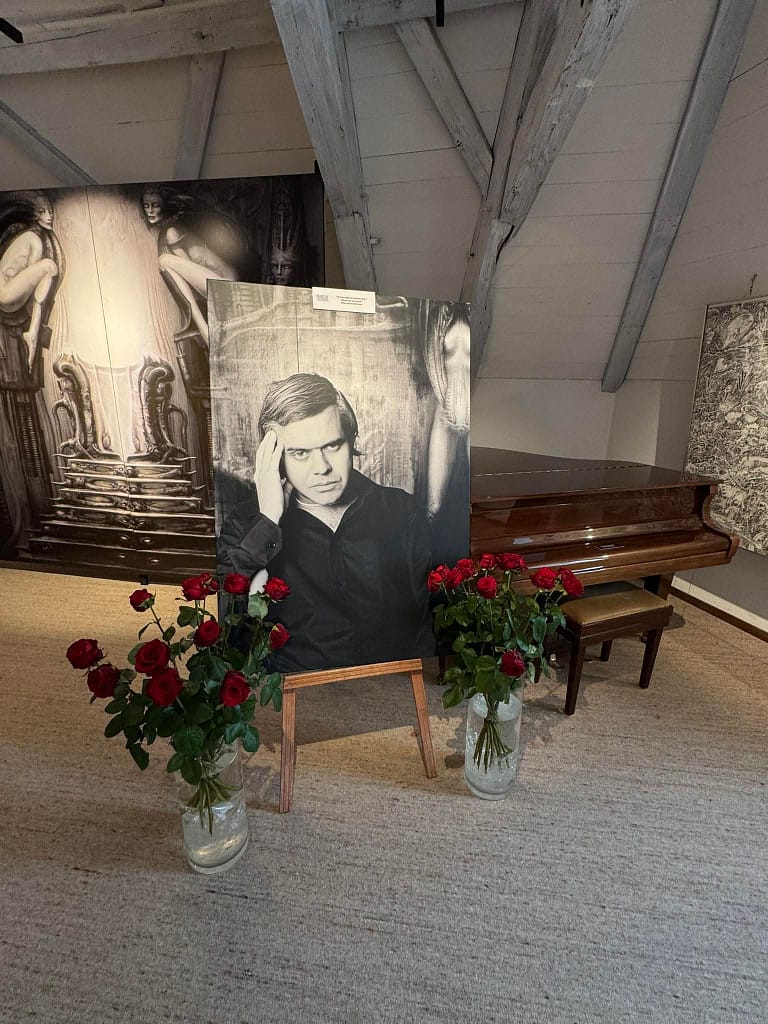
H.R. Giger did not just paint monsters; he gave a terrifyingly prophetic shape to the future of the human condition.
While modern pop culture frequently dilutes his legacy to “the guy who designed the monster in Alien, the Swiss surrealist’s impact stretches far wider. His art acts as a mirror to our deepest anxieties about technology, sexuality, and bodily autonomy.
Instead of rehashing his Hollywood filmography, let us dive into the deeper, darker corners of Giger’s mind. We will explore how his childhood fears birthed a completely new artistic lexicon.
1. From Childhood Terrors to the “Black Room”
Long before he won an Academy Award, Hans Ruedi Giger was an anxious child plagued by vivid, severe nightmares. Born in Chur, Switzerland, in 1940, he grew up in a quiet world that couldn’t contain his intense imagination.
As a rebellious teenager, he turned his family’s basement into an underground sanctuary known as the Black Room. He built a custom ghost train, hung real skulls, and painted the walls pitch black. This teenage experiment became a template for his life’s work: instead of running away from his fears, Giger chose to inhabit them, using art as a form of lifelong personal catharsis.
2. The Biomechanical Blueprint
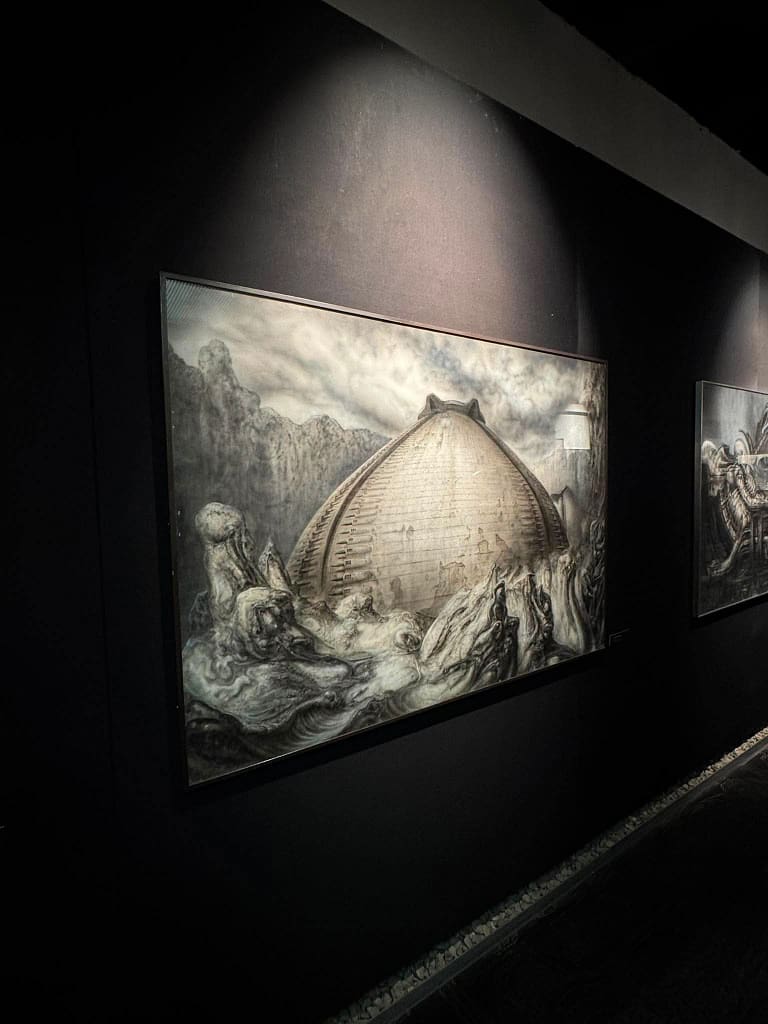
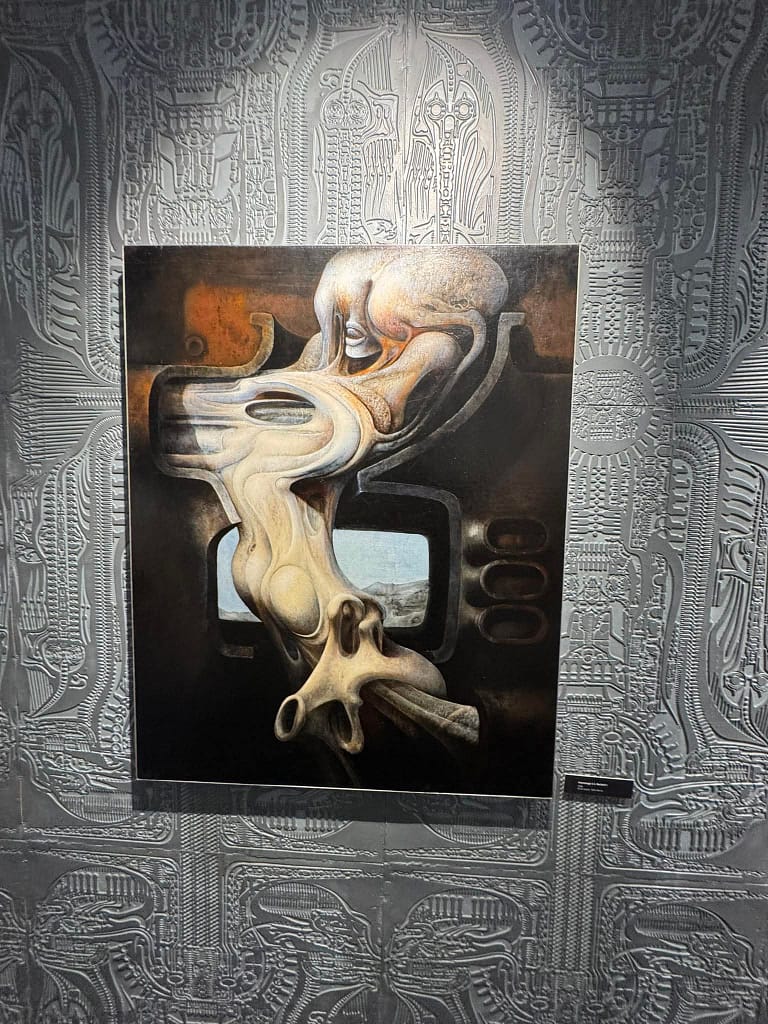
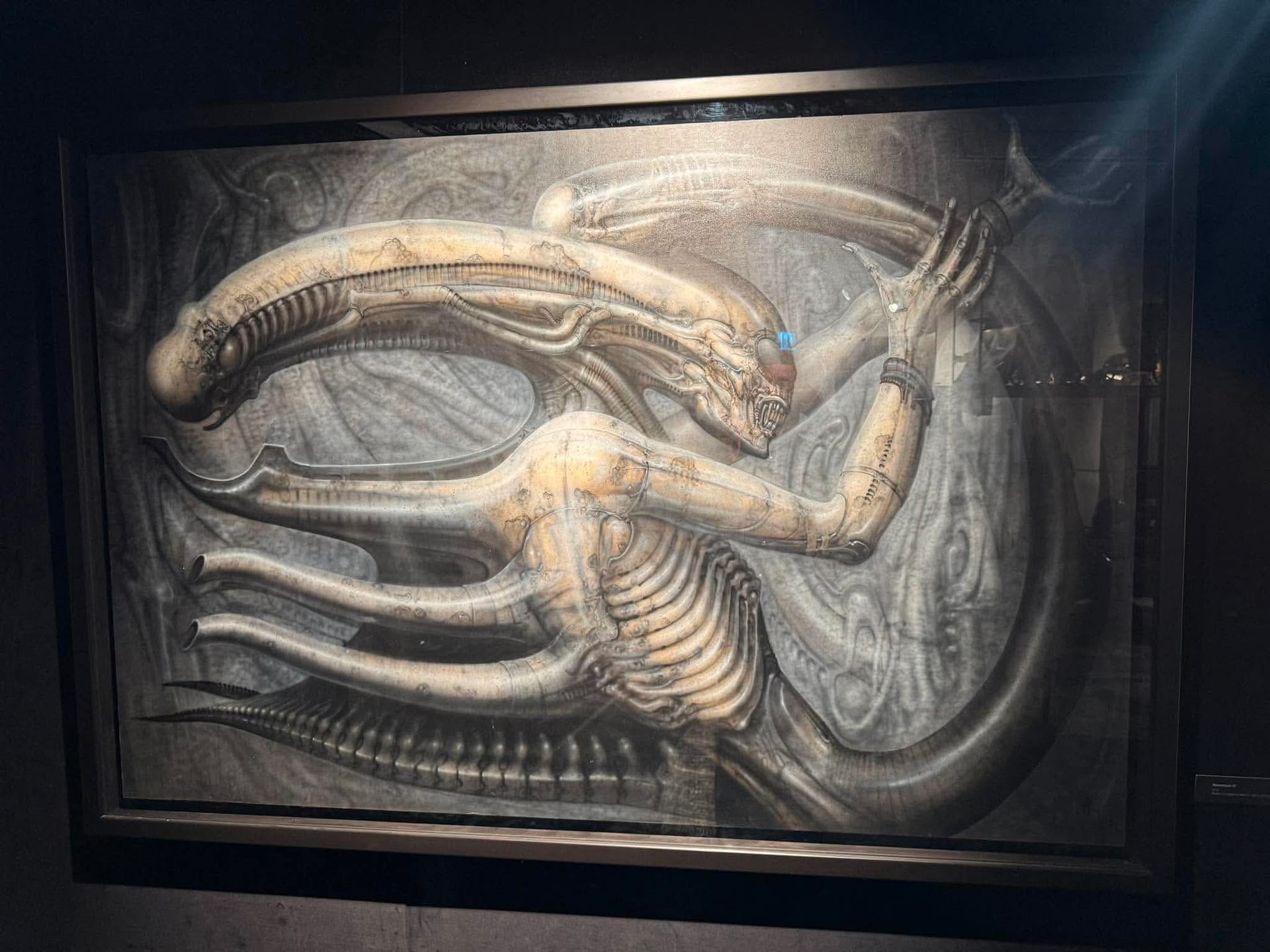
Giger’s most significant contribution to the art world is Biomechanics. This unique style seamlessly blends human anatomy with cold, hard industrial machinery. In Giger’s universe, you cannot tell where the bone ends and the metal pipe begins.
- The Seduction of the Machine: Unlike traditional science fiction that shows clean, polished robots, Giger’s machines are organic, wet, and deeply parasitic.
- The Vulnerability of Flesh: Humans in his paintings are rarely heroes. Instead, they are frequently integrated into massive life-support systems, serving as batteries or components for industrial mechanisms.
- The Hidden Elegance: While critics often dismissed his work as purely horrific, Giger always maintained that his paintings contained an essential elegance and beauty inspired by Art Nouveau curves.
3. Facing the Fear: The “Nice” and the “Horrible”
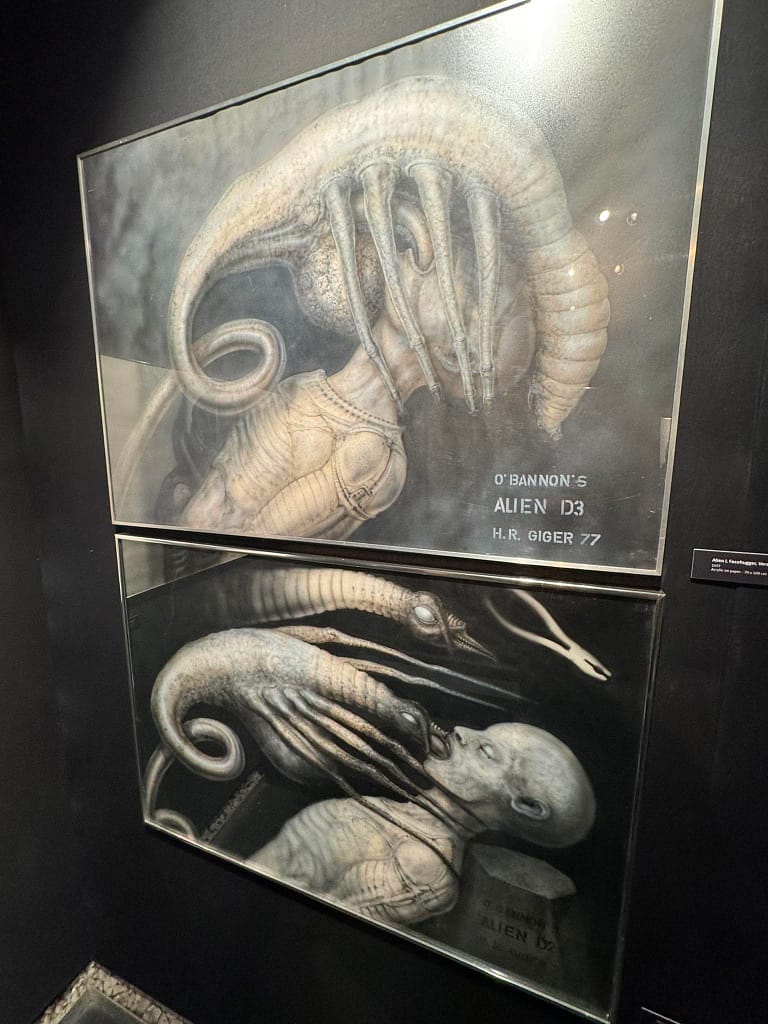
Giger’s art often makes viewers deeply uncomfortable because it forces us to look at things we try to hide. His breakthrough book, Necronomicon (1977), is filled with explicitly sexual, gothic, and Freudian imagery that directly reflects our subconscious anxieties.
Screenwriter Dan O’Bannon once recalled asking Giger why he used opium. Giger simply replied:
“I am afraid of my visions.”
When O’Bannon noted that the visions came from Giger’s own mind, the artist answered:
“That is exactly what I am afraid of.”
| The “Horrible” Elements | The “Nice” Elements |
|---|---|
| Cold, metallic tubes piercing soft skin | Sweeping, elegant Art Nouveau linework |
| Grotesque, featureless, mutated figures | Masterful, pristine airbrush precision |
| Overwhelming feelings of dread and decay | A safe space for viewers to process subconscious trauma |
4. Beyond the Screen: The Living Environments
Giger did not stop at the edge of a canvas; he wanted people to step completely inside his mind. Later in his career, his focus shifted from individual creature designs to creating whole immersive spaces.
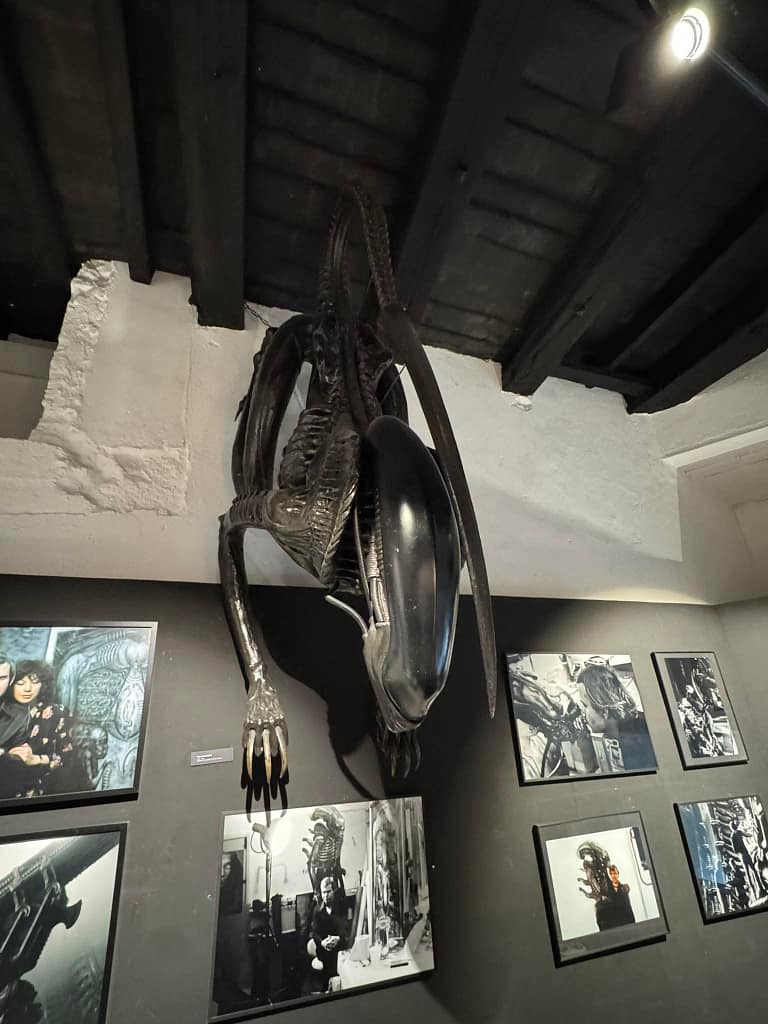
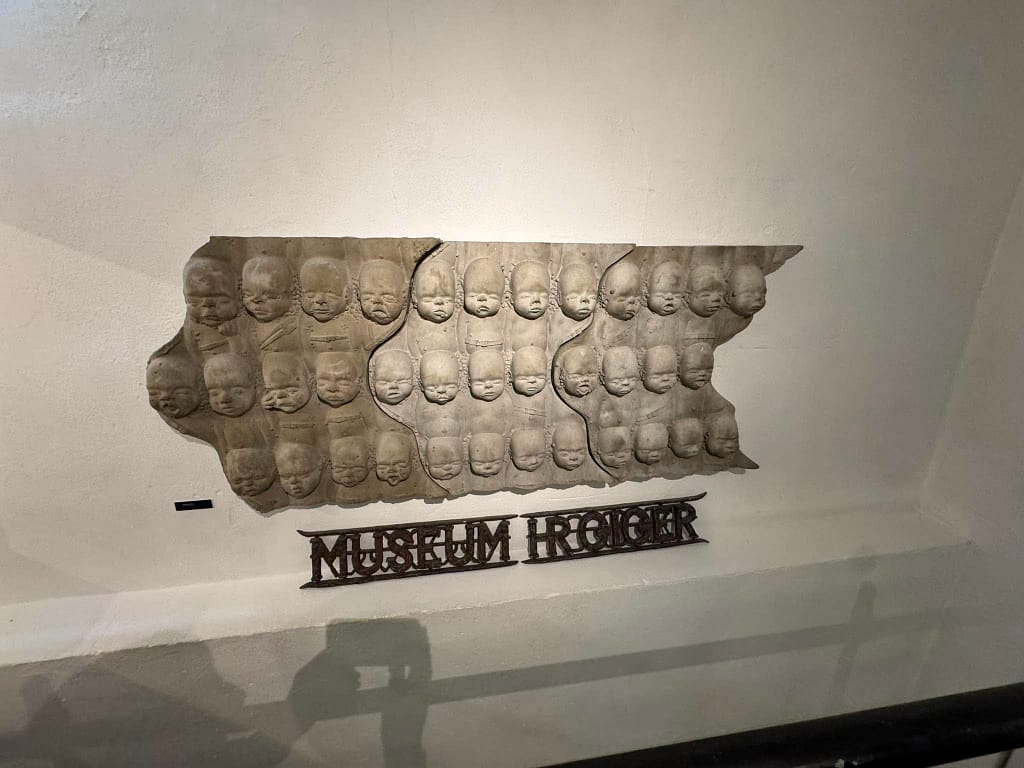
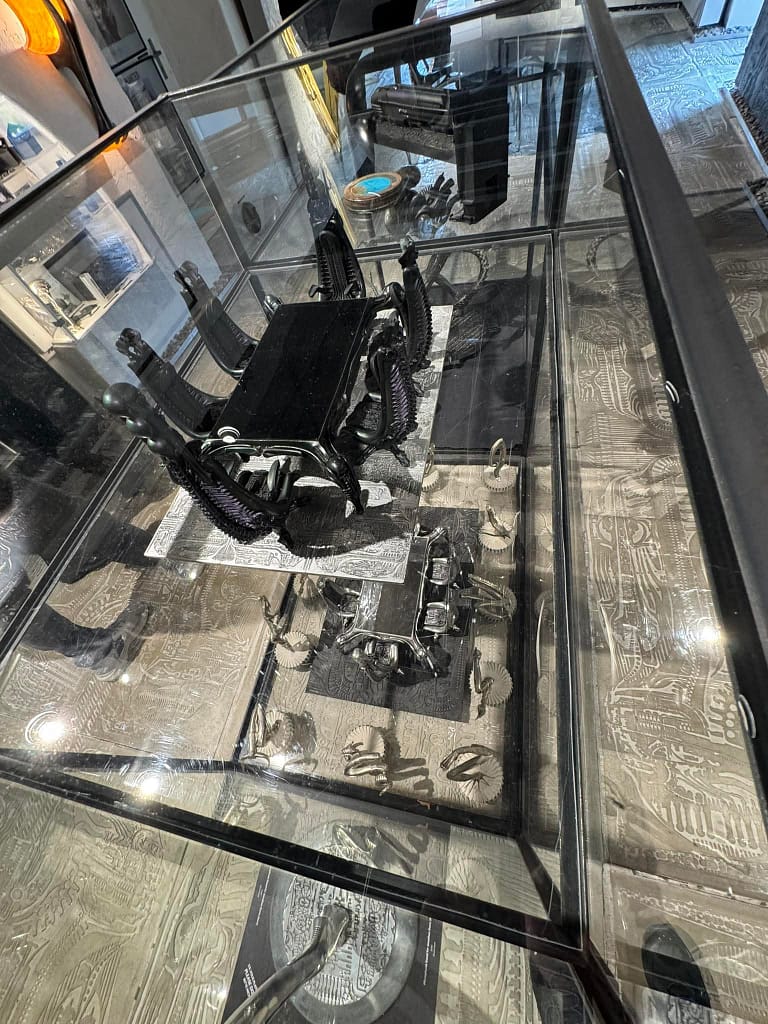
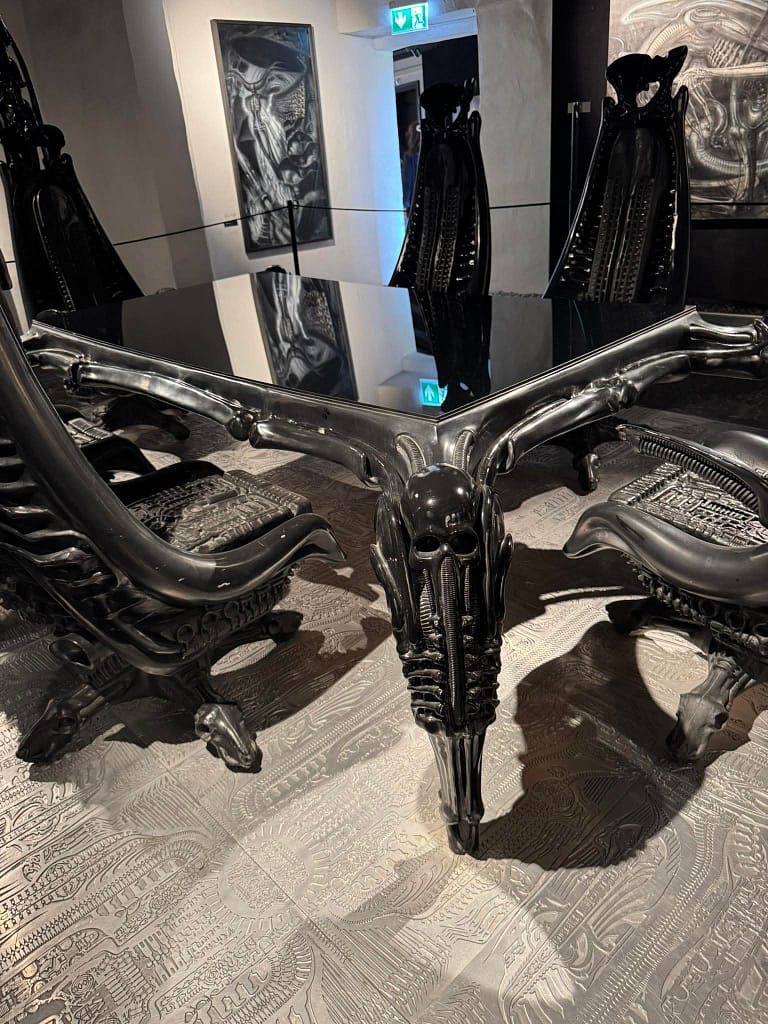
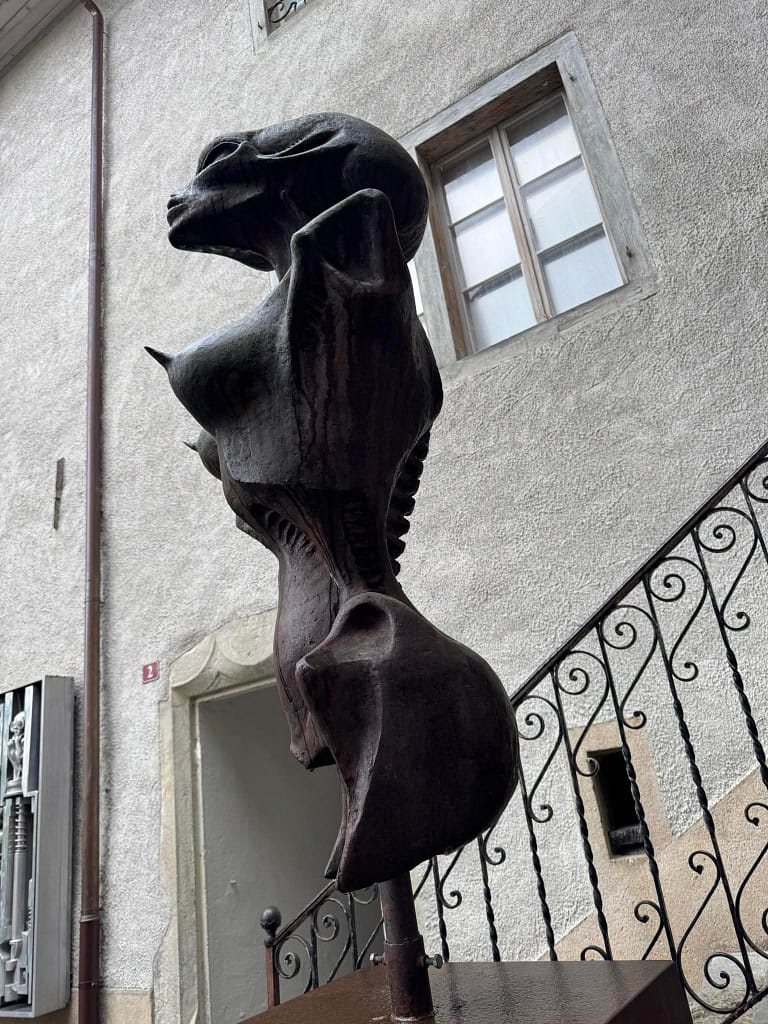
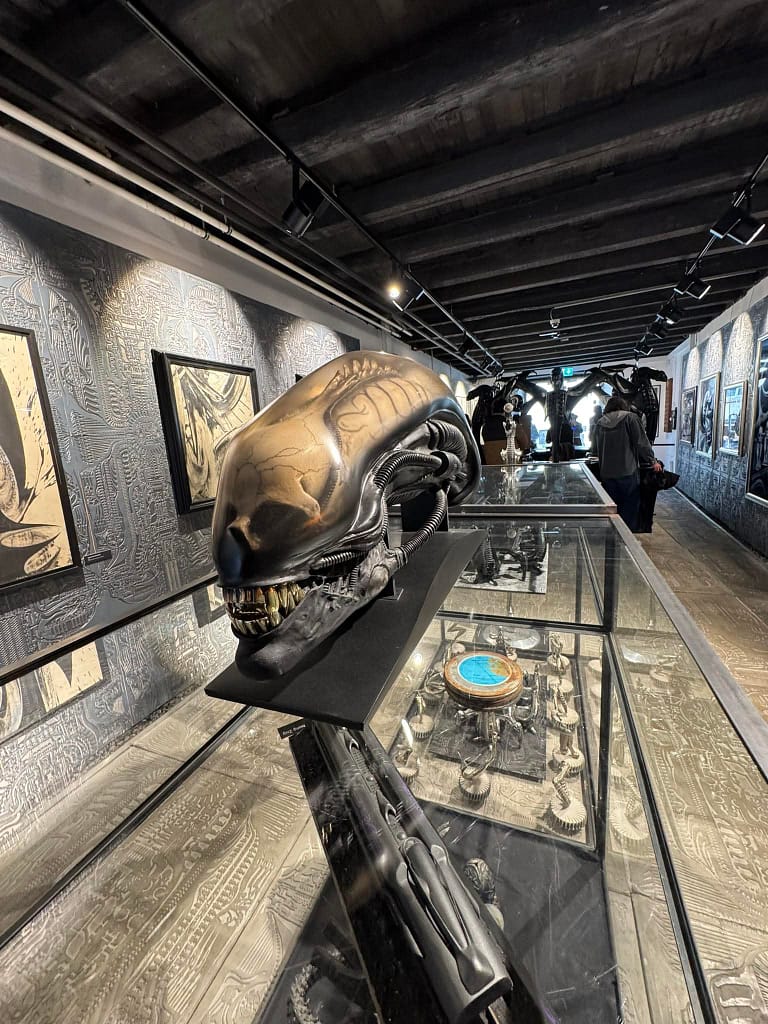
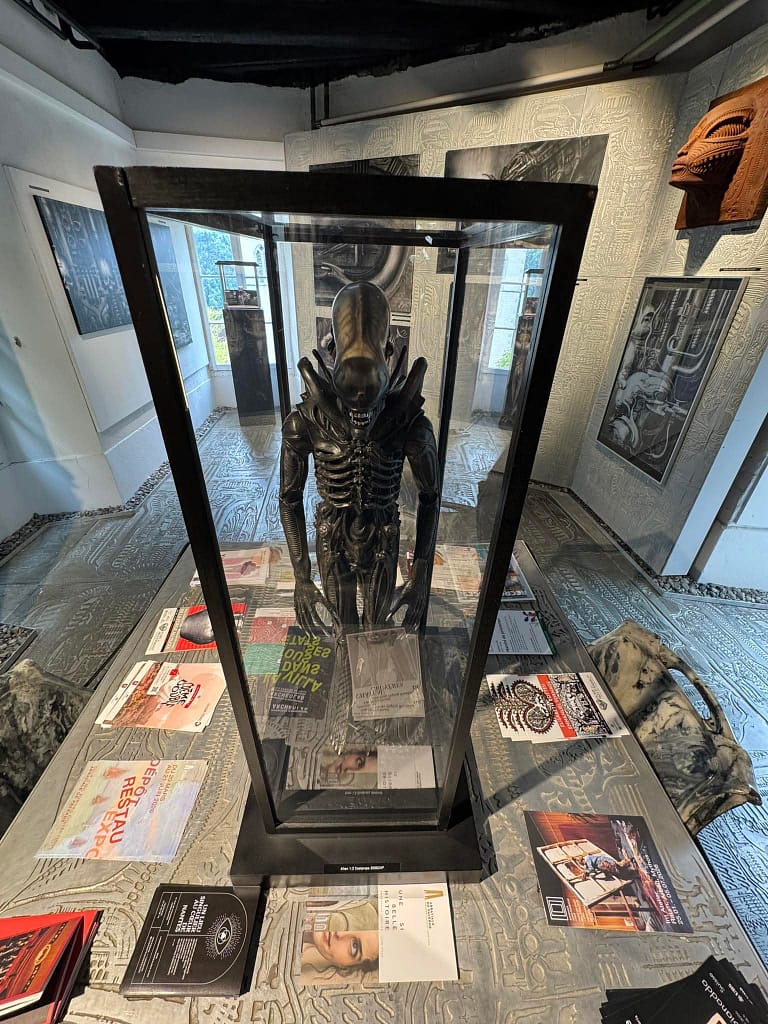
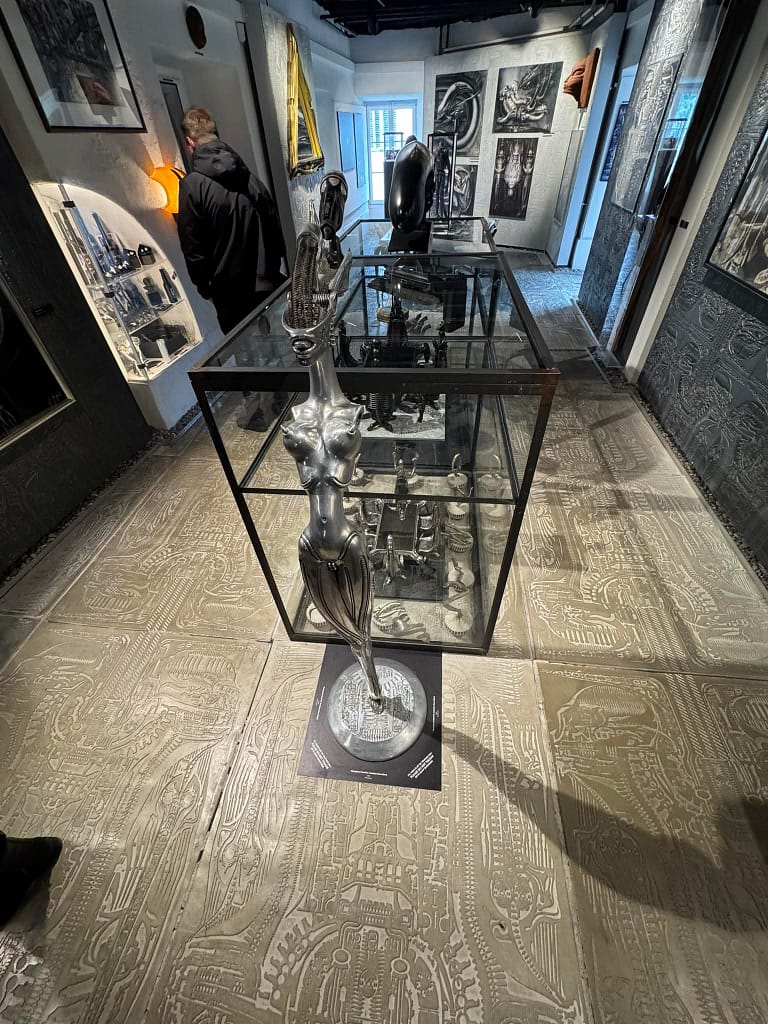
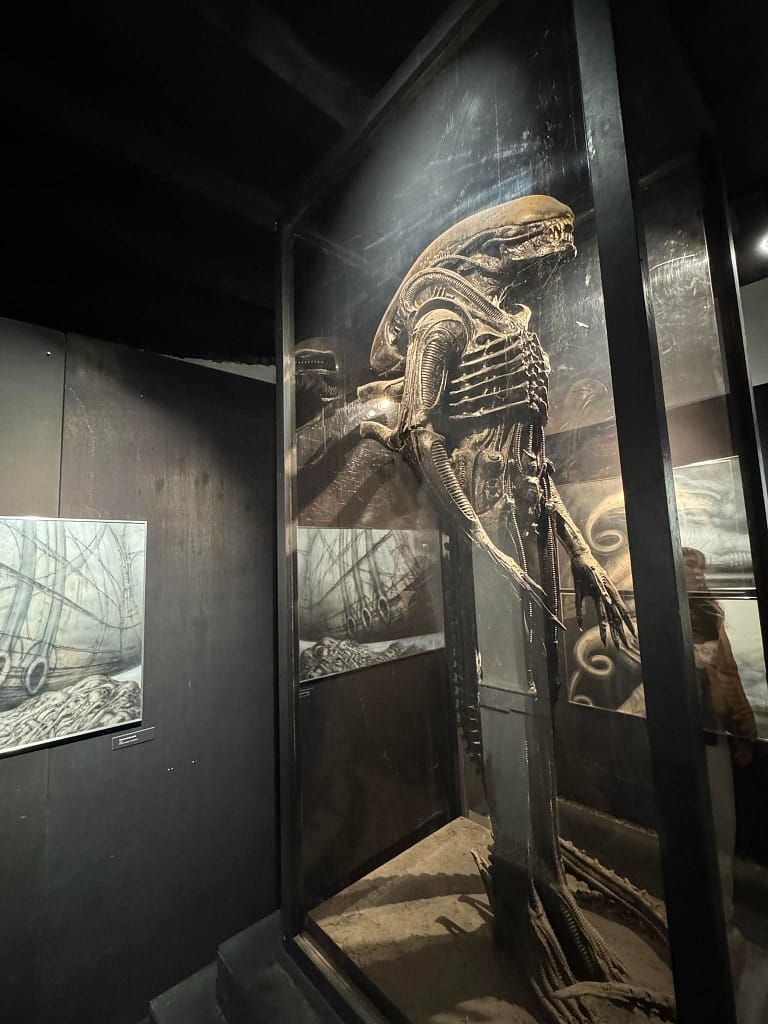
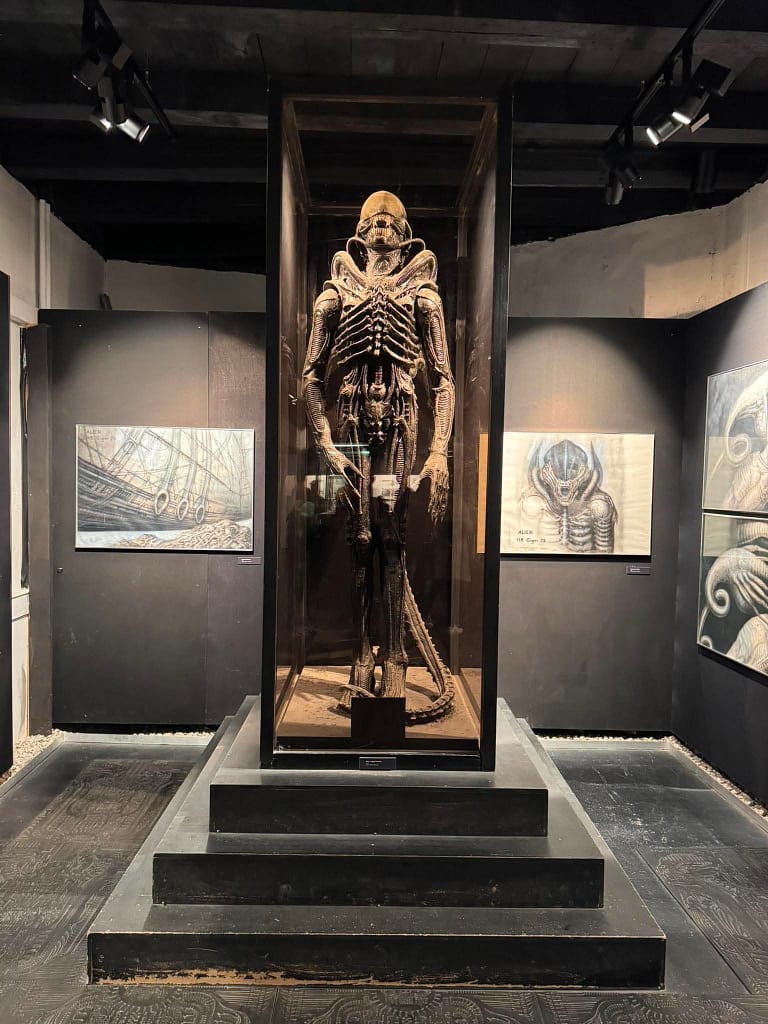
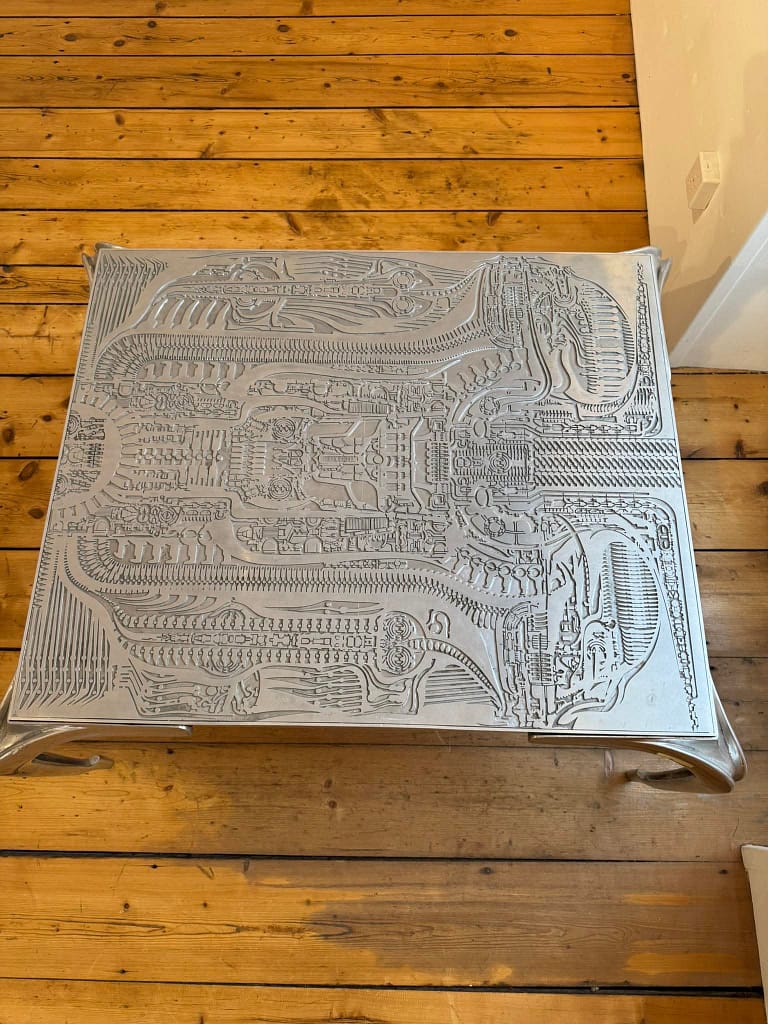
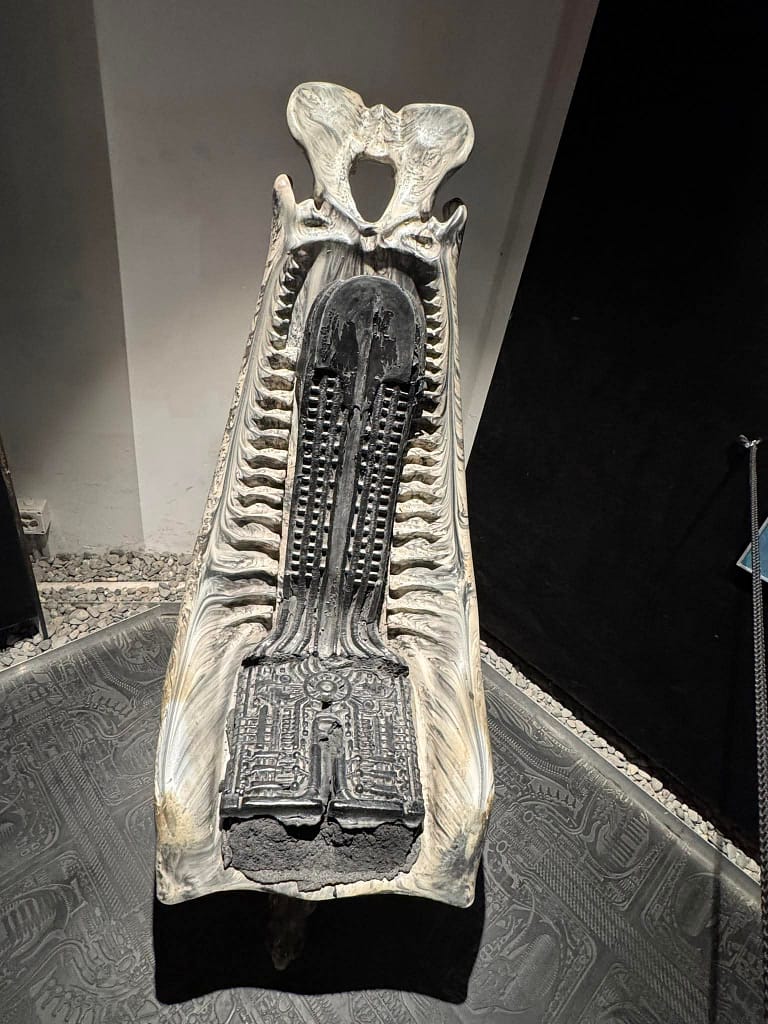
- The H.R. Giger Museum: Located in the medieval walled city of Gruyères, Switzerland, this museum holds the world’s largest collection of his paintings, furniture, and sculptures.
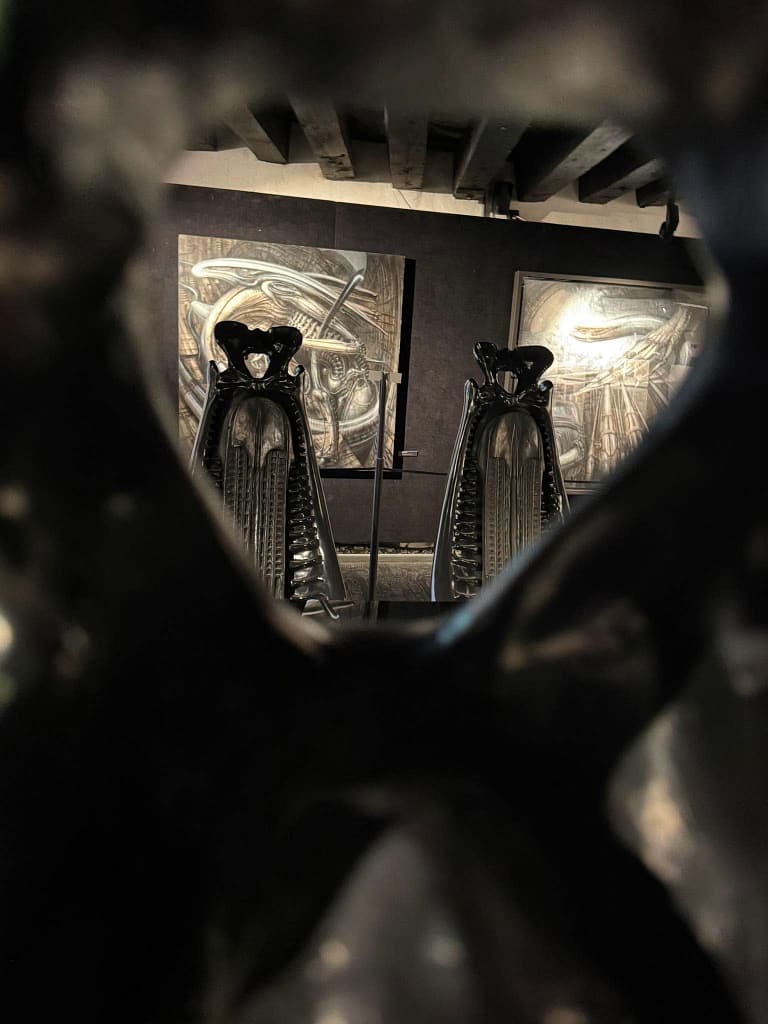
- The Giger Bars: Visitors can drink inside vaulted rooms built to look like the inside of a massive, skeletal alien creature.
- The Counter-Culture Icon: From designing iconic, transgressive album covers like Emerson, Lake & Palmer’s Brain Salad Surgery to influencing modern cyberpunk authors like William Gibson, Giger rewrote the visual rules of modern sci-fi.
The Lasting Shadow of the Swiss Master
H.R. Giger passed away in May 2014, but his profound evolutionary visions continue to influence our culture. As we move closer to a real-world future filled with neural implants, advanced cybernetics, and artificial intelligence, Giger’s biomechanical nightmares feel less like surreal dark fantasy—and much more like a realistic preview of tomorrow.

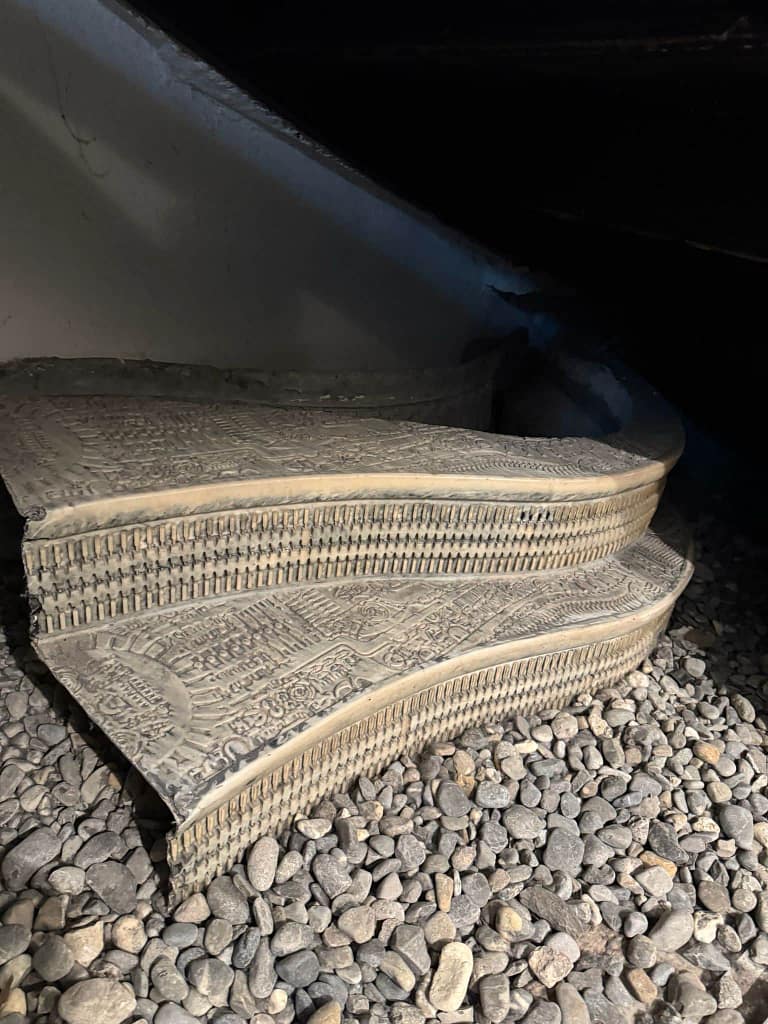
H. R. GIGER’S GRAVE, SWISS
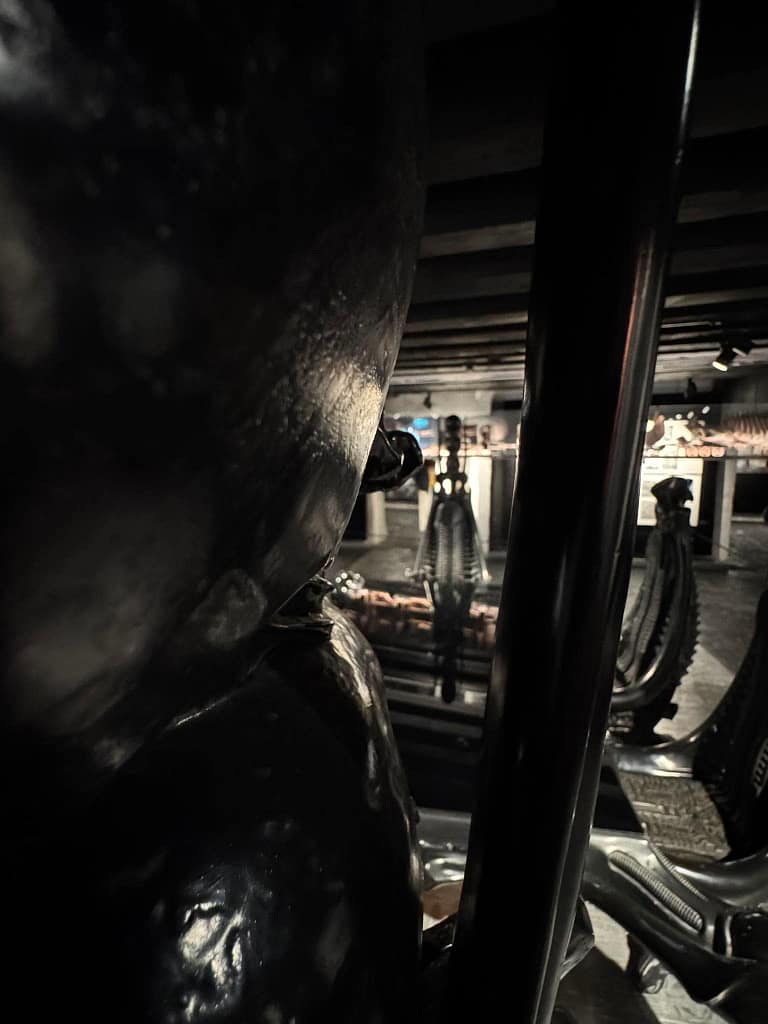
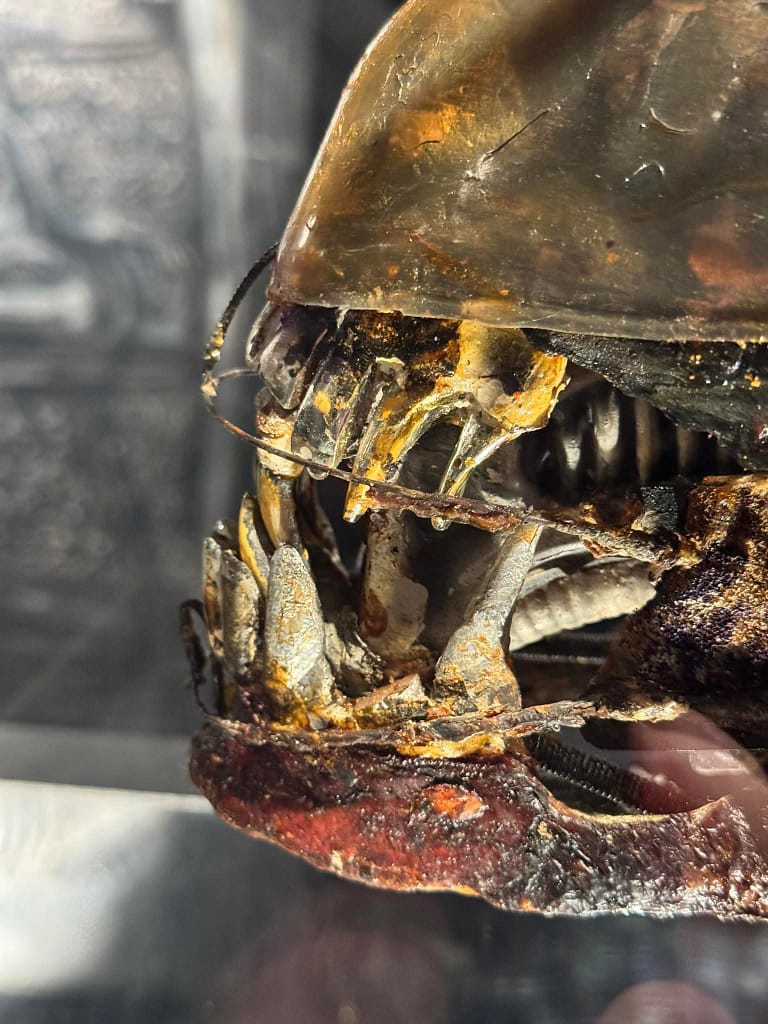
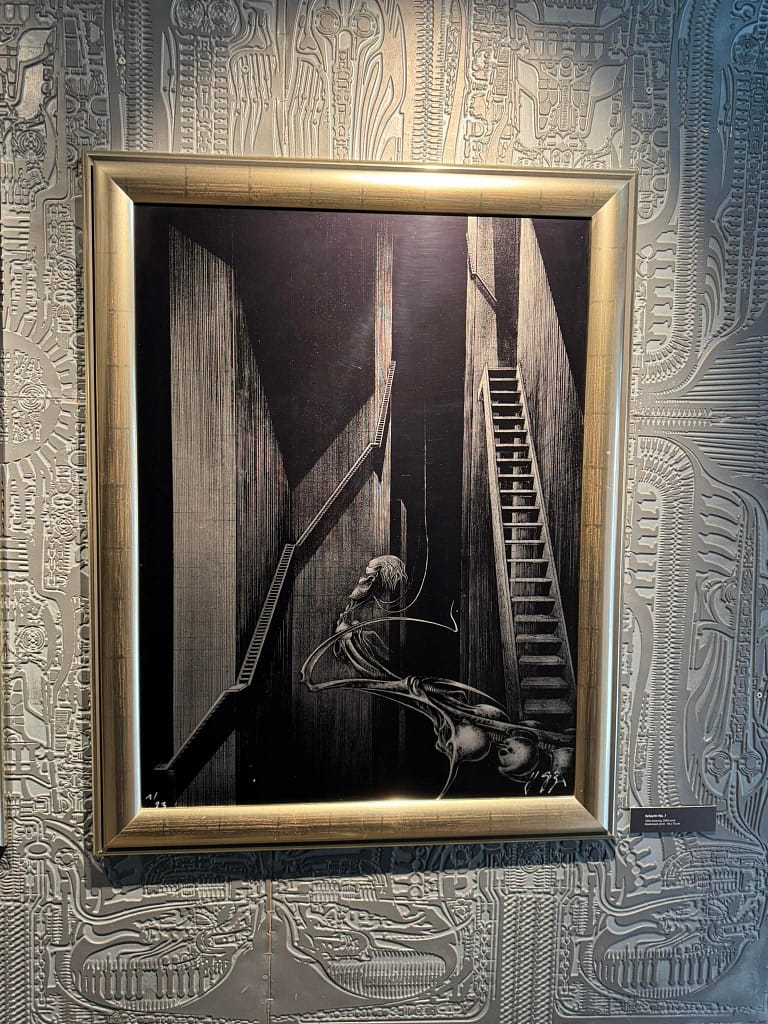
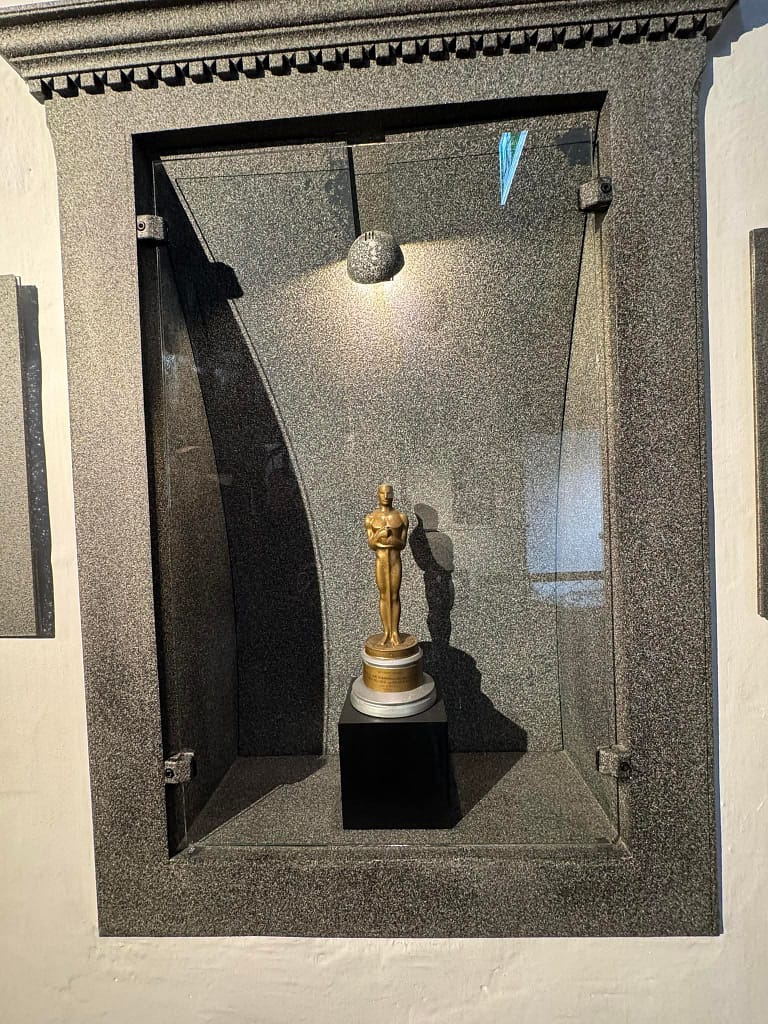
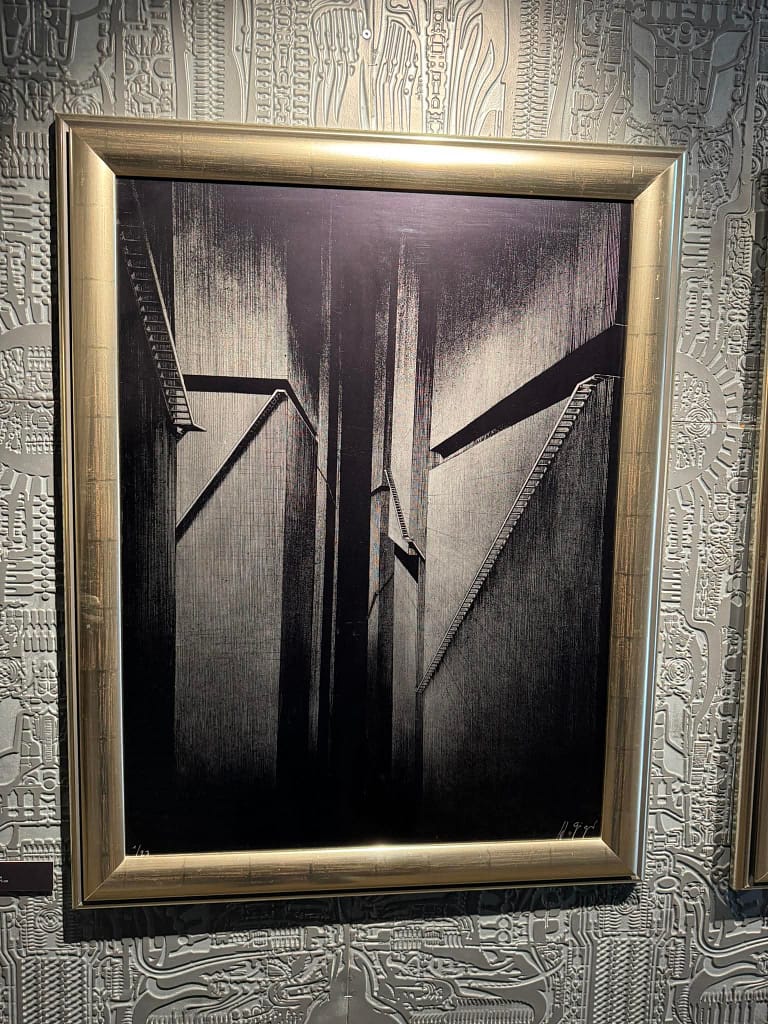
Here’s a collection of photos from inside H.R. Giger Museum:
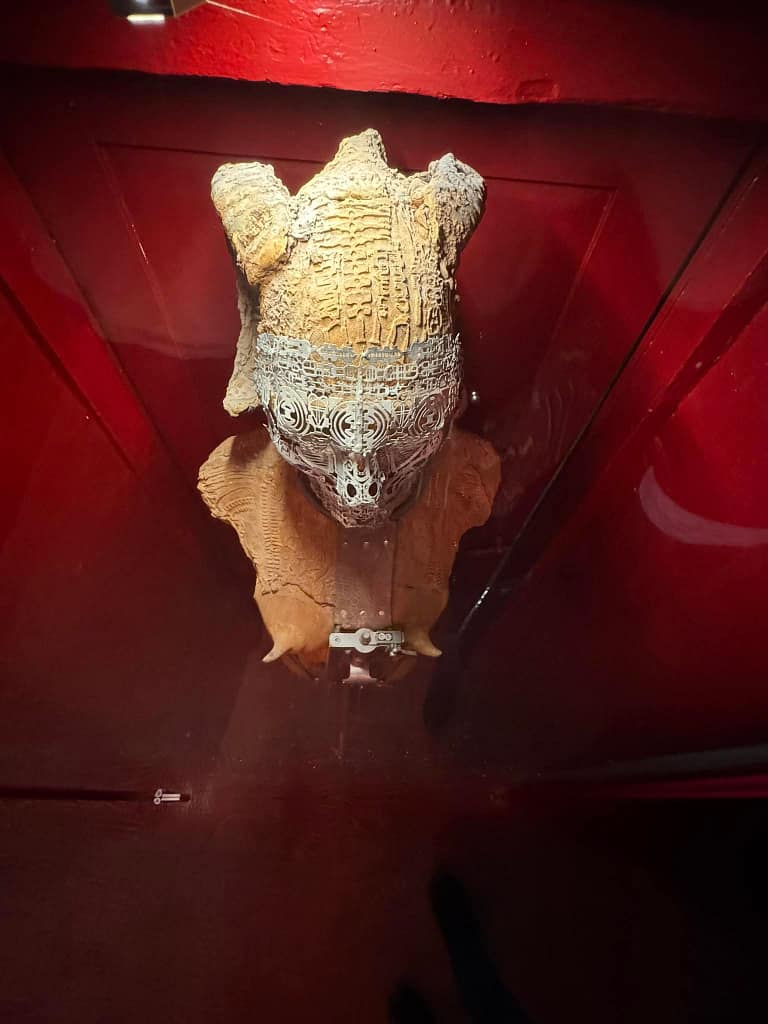
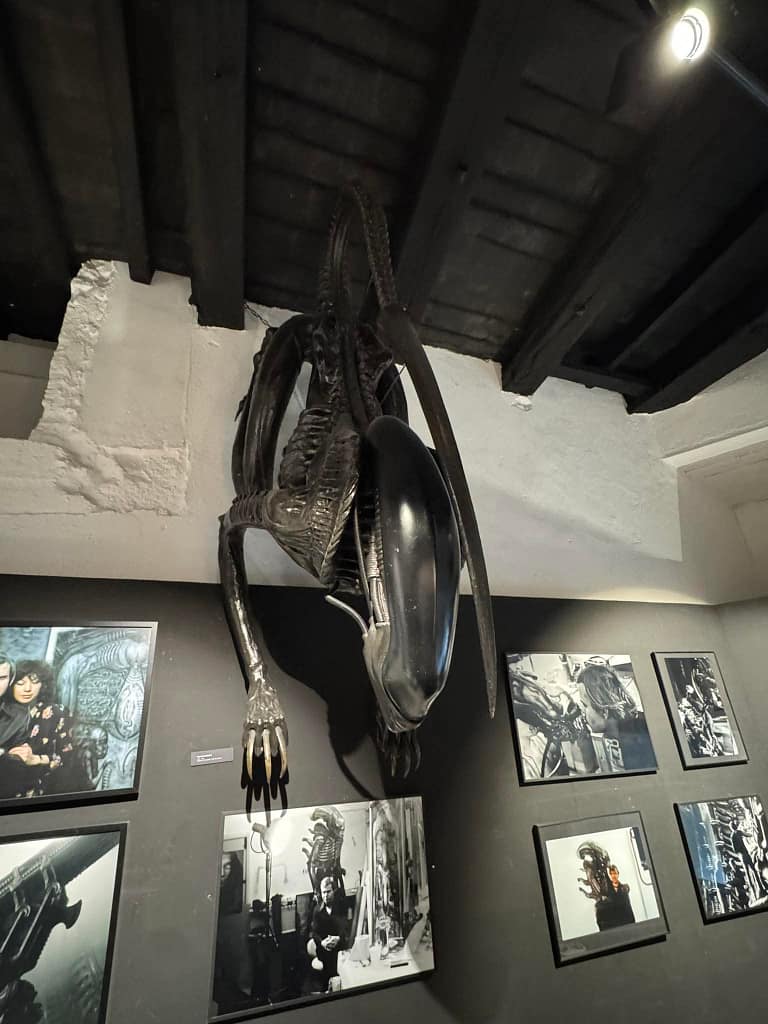
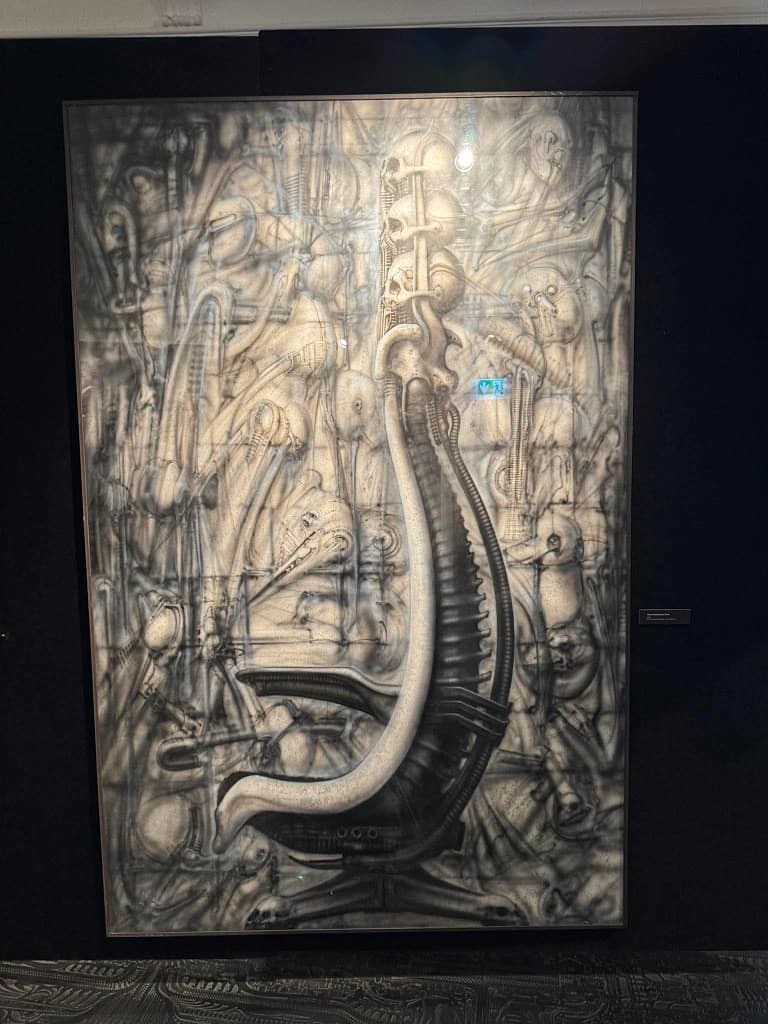
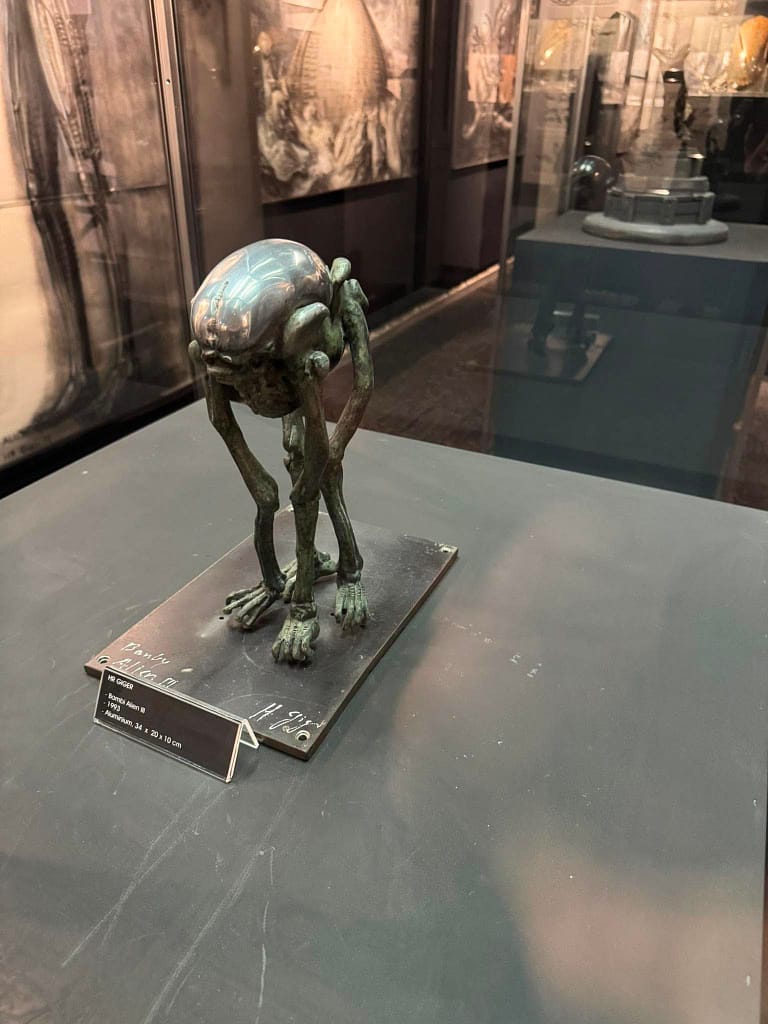
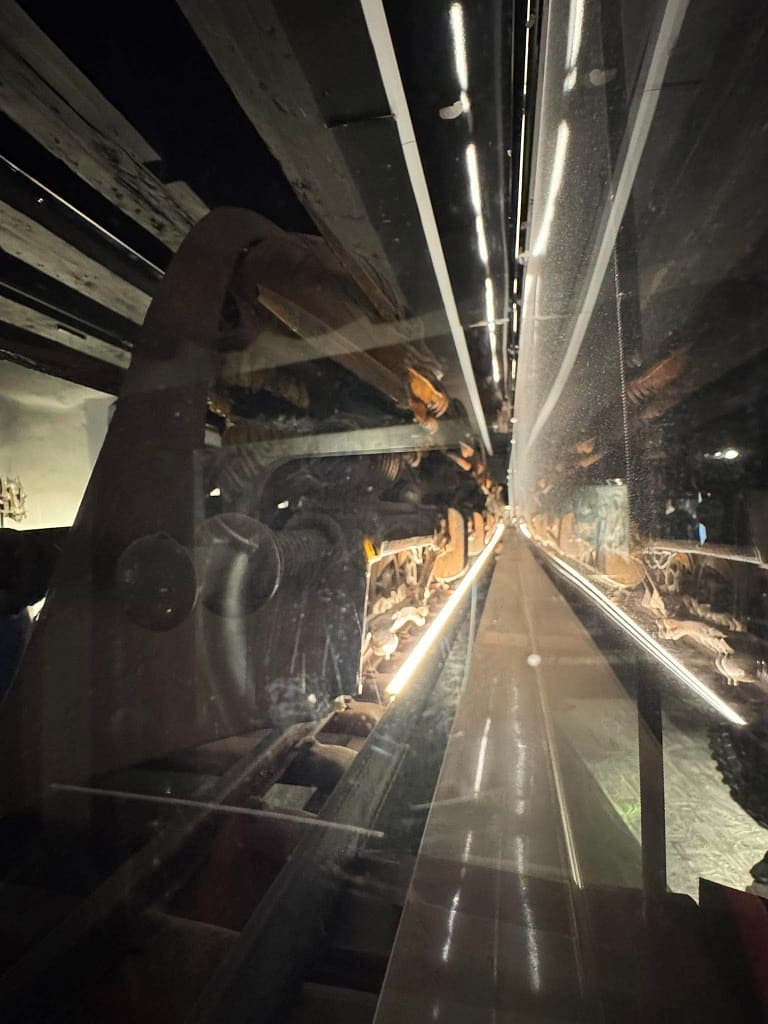
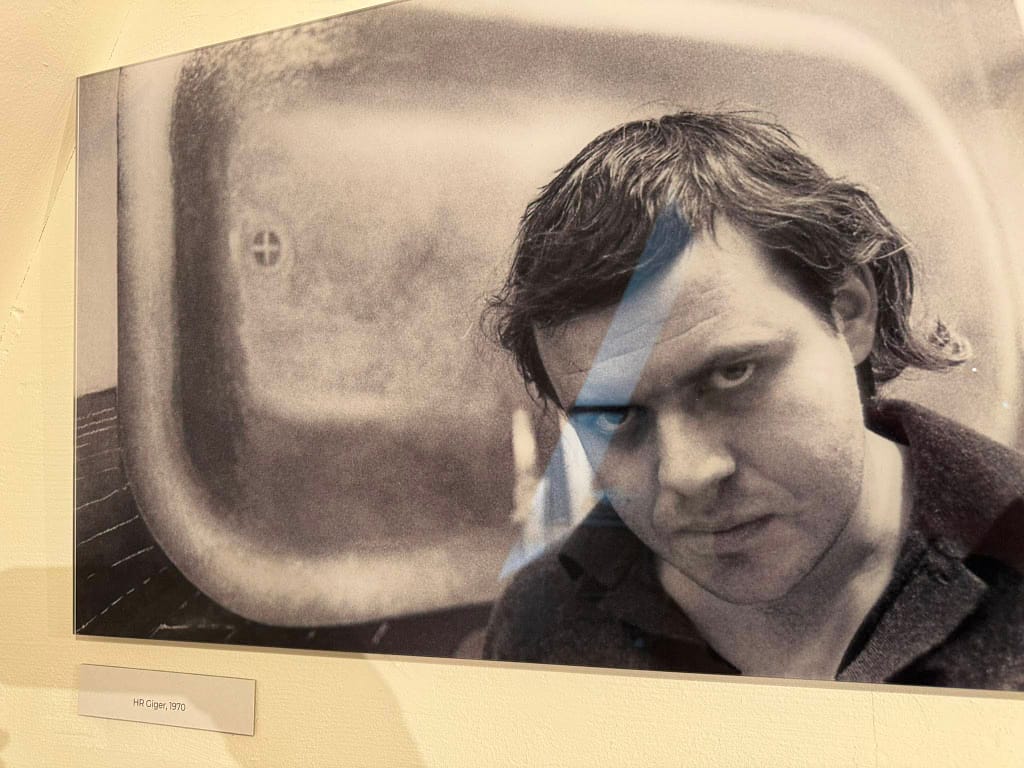
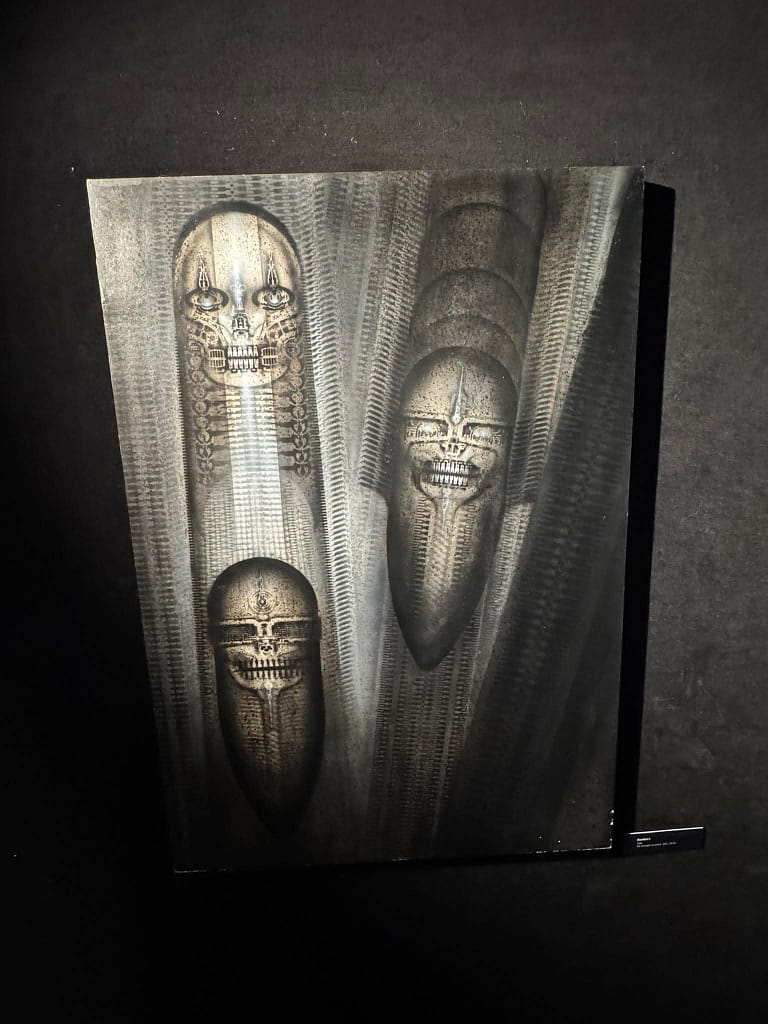
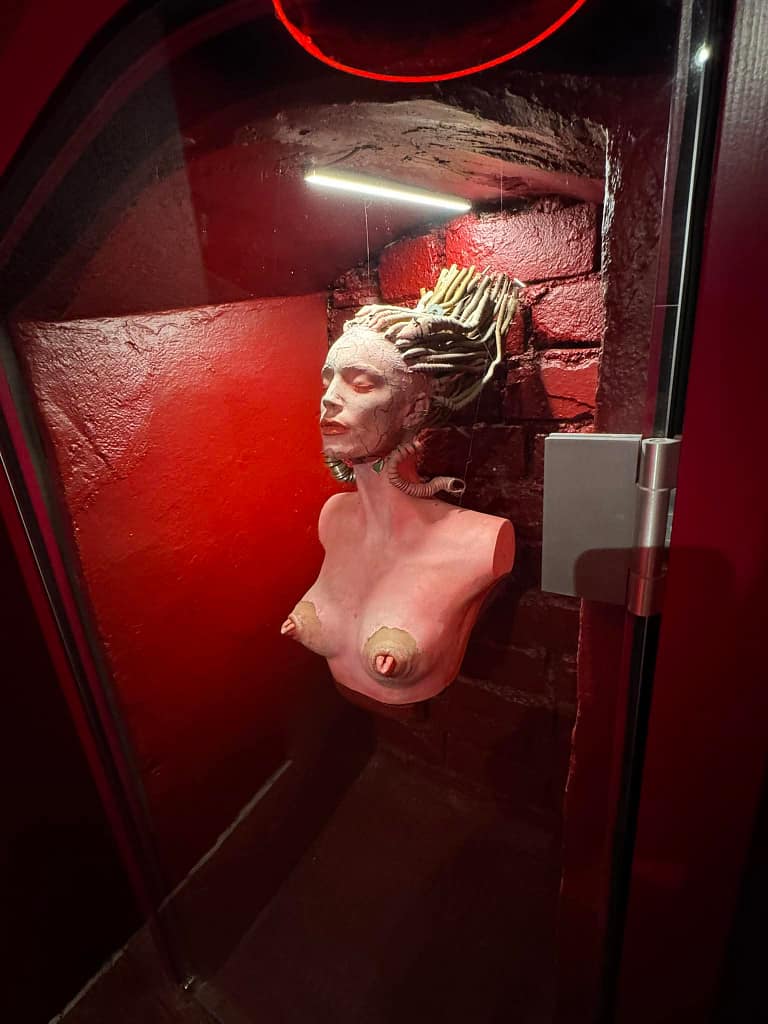
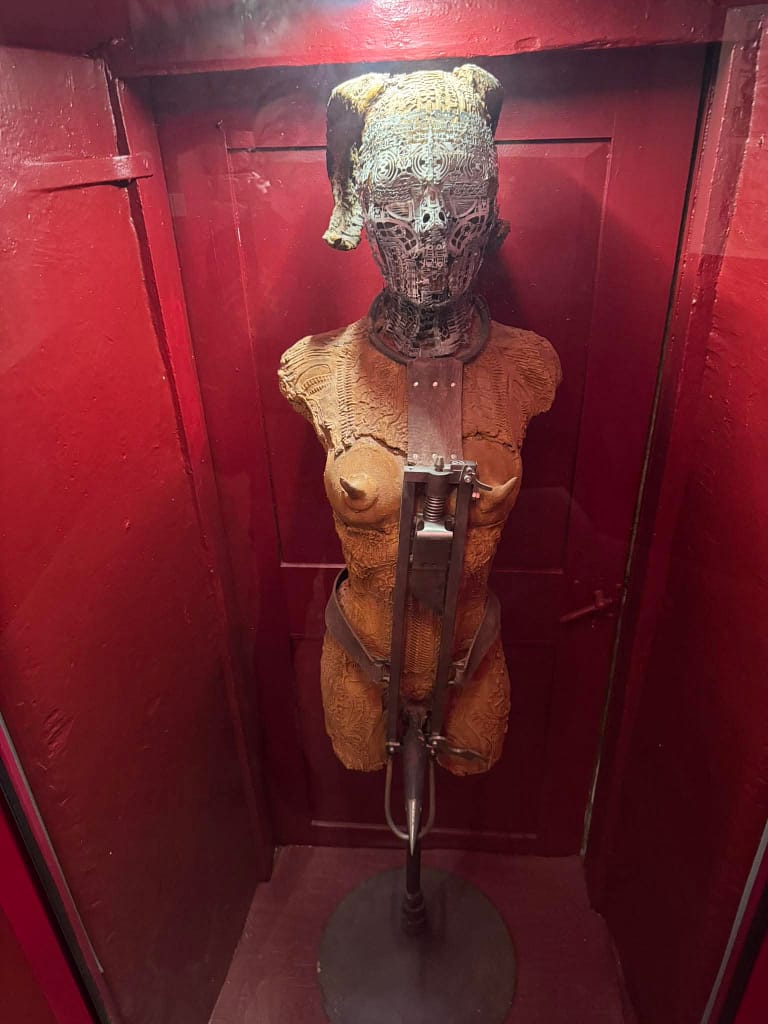
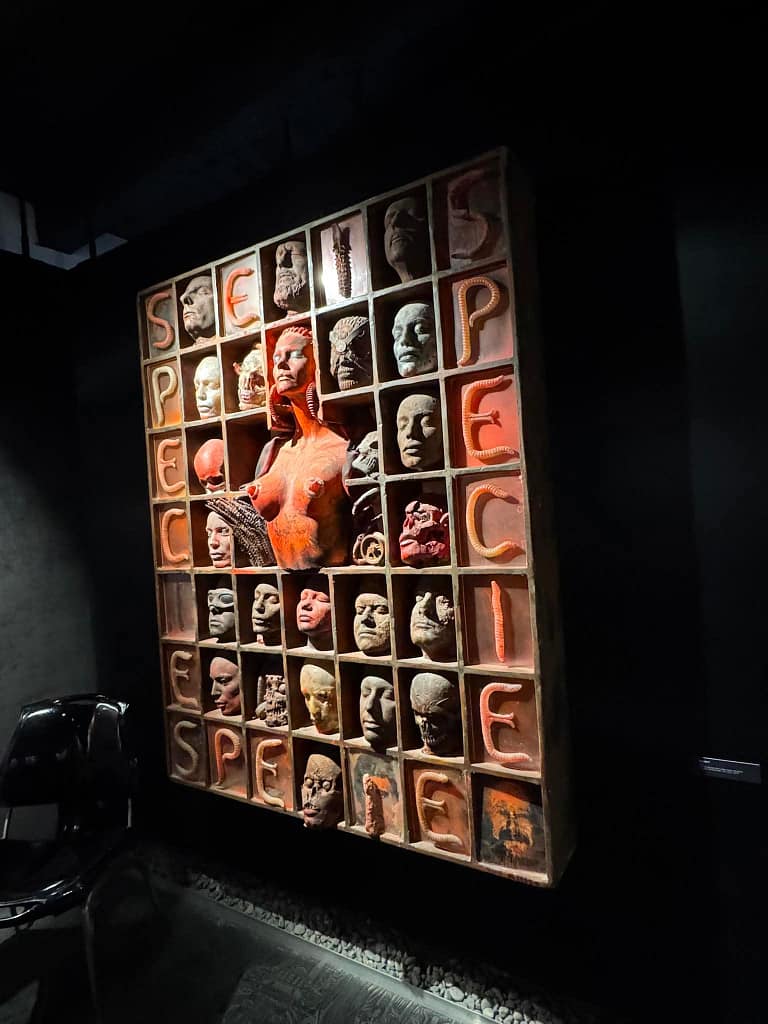
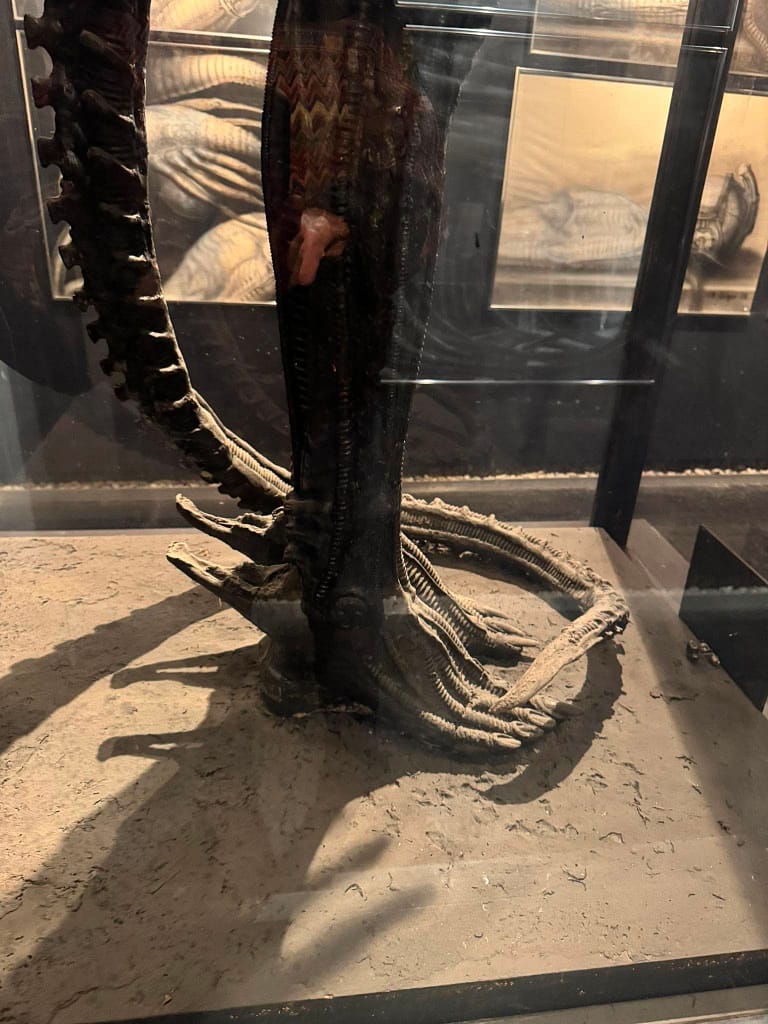
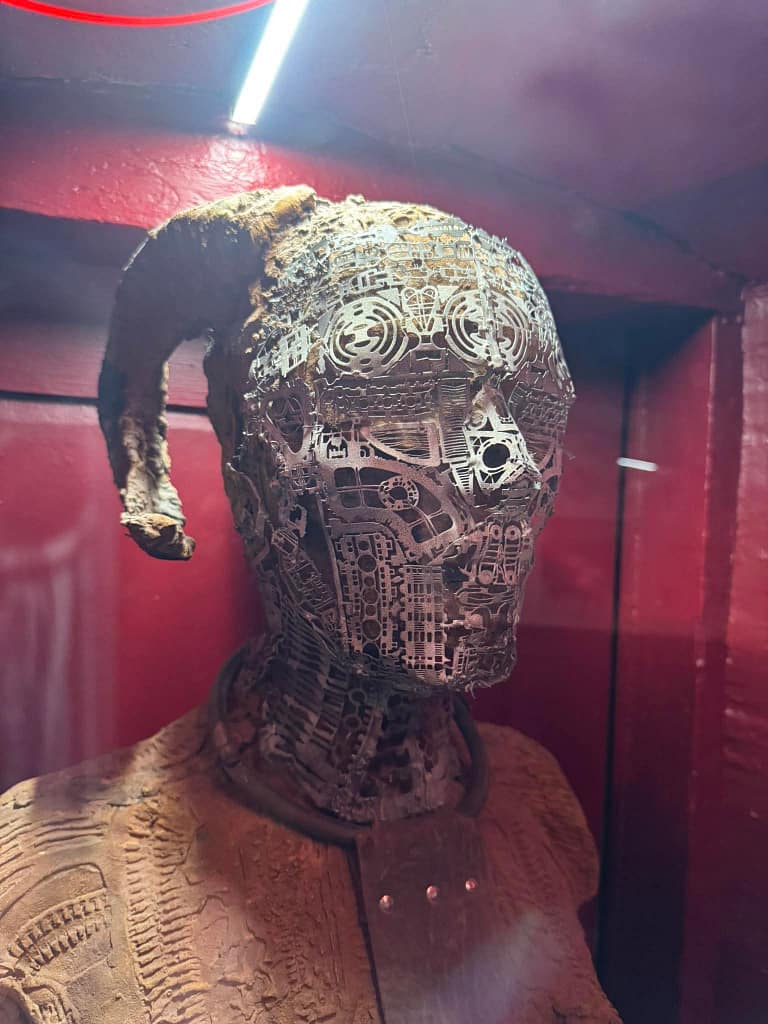
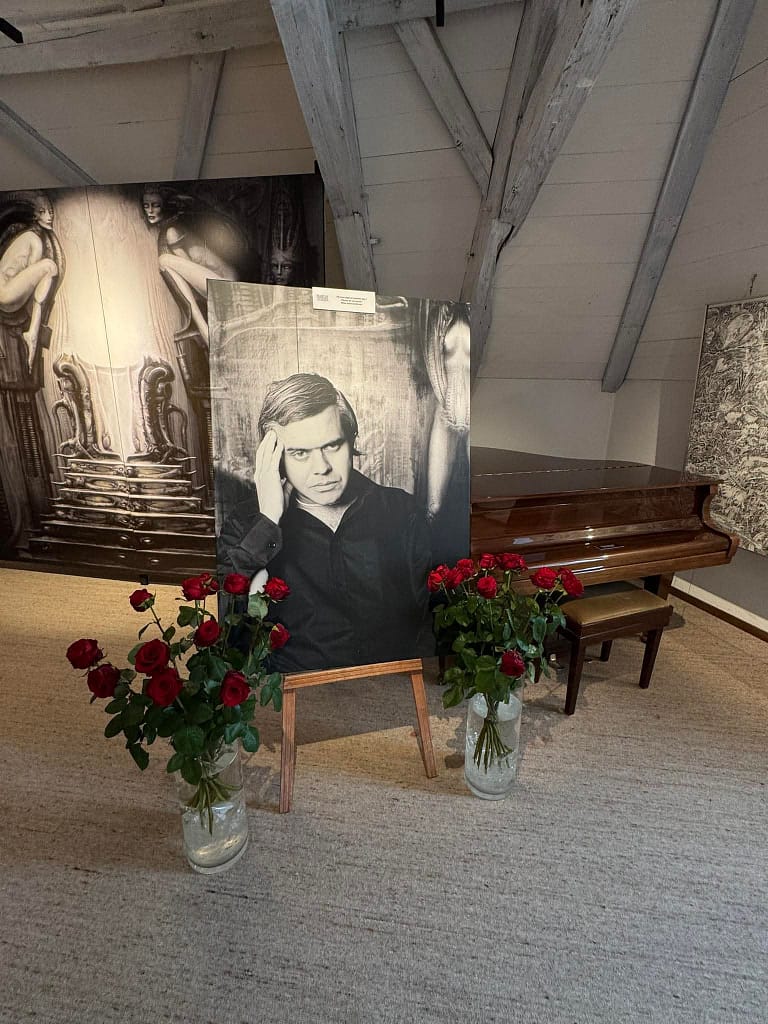
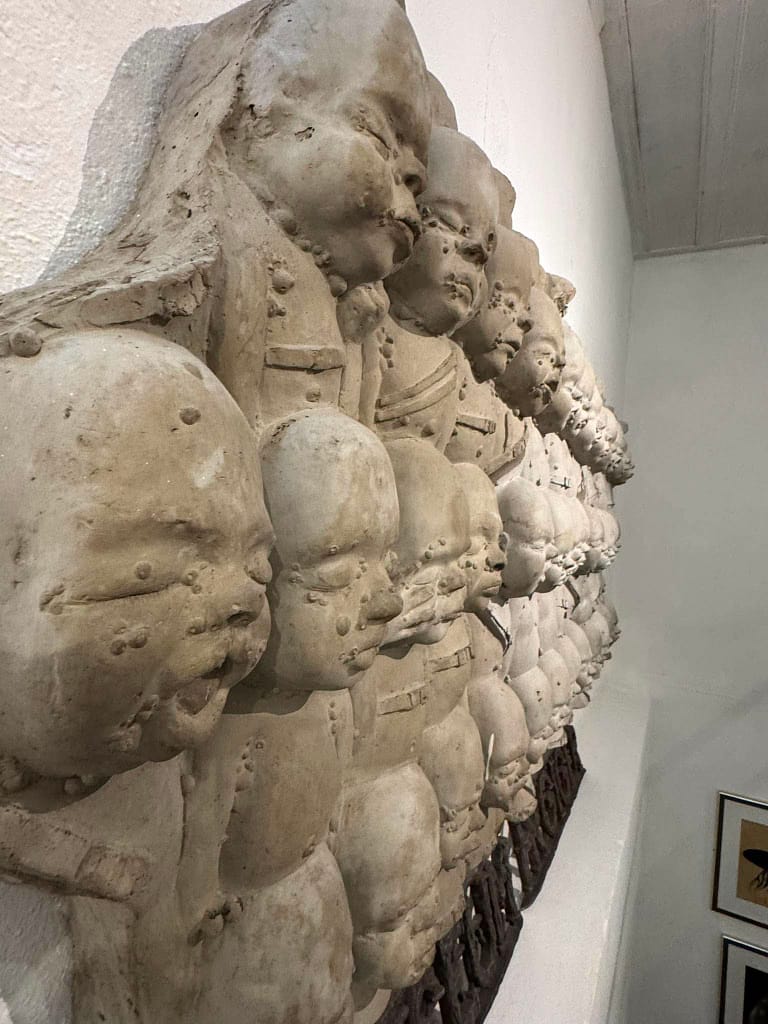
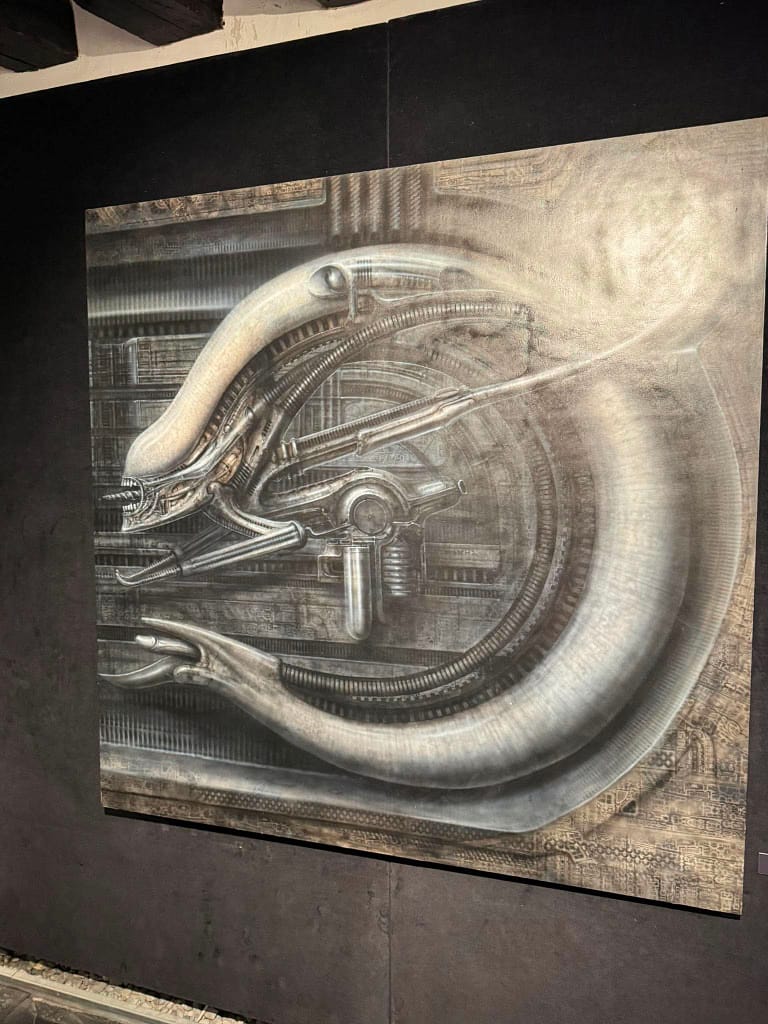
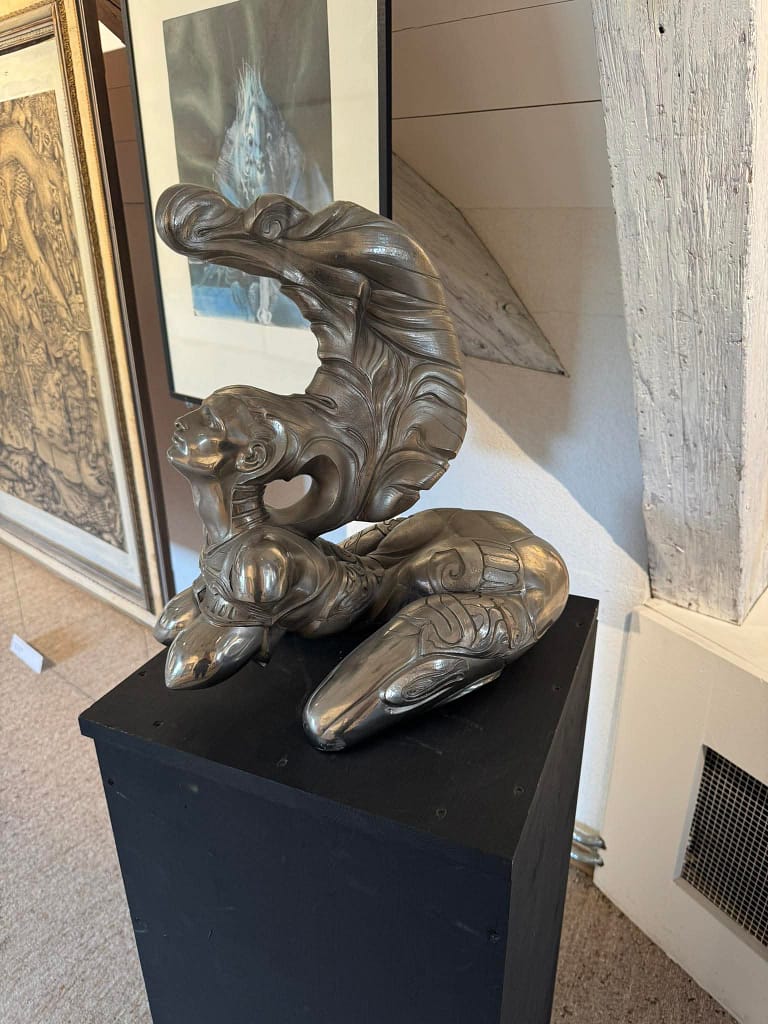
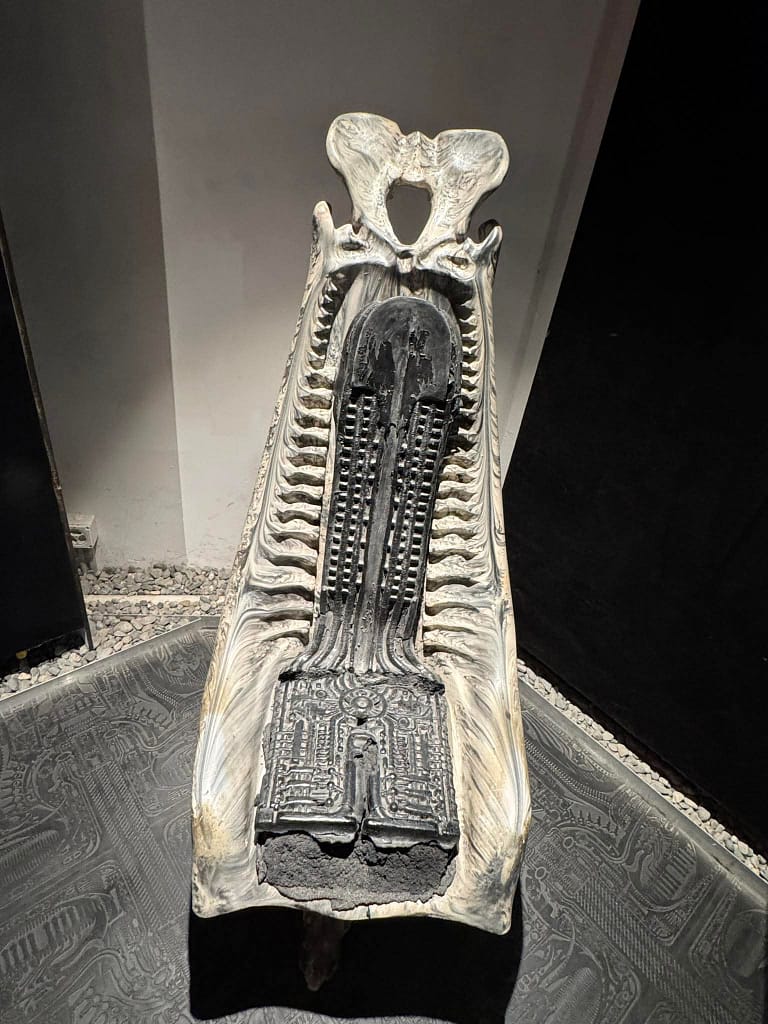
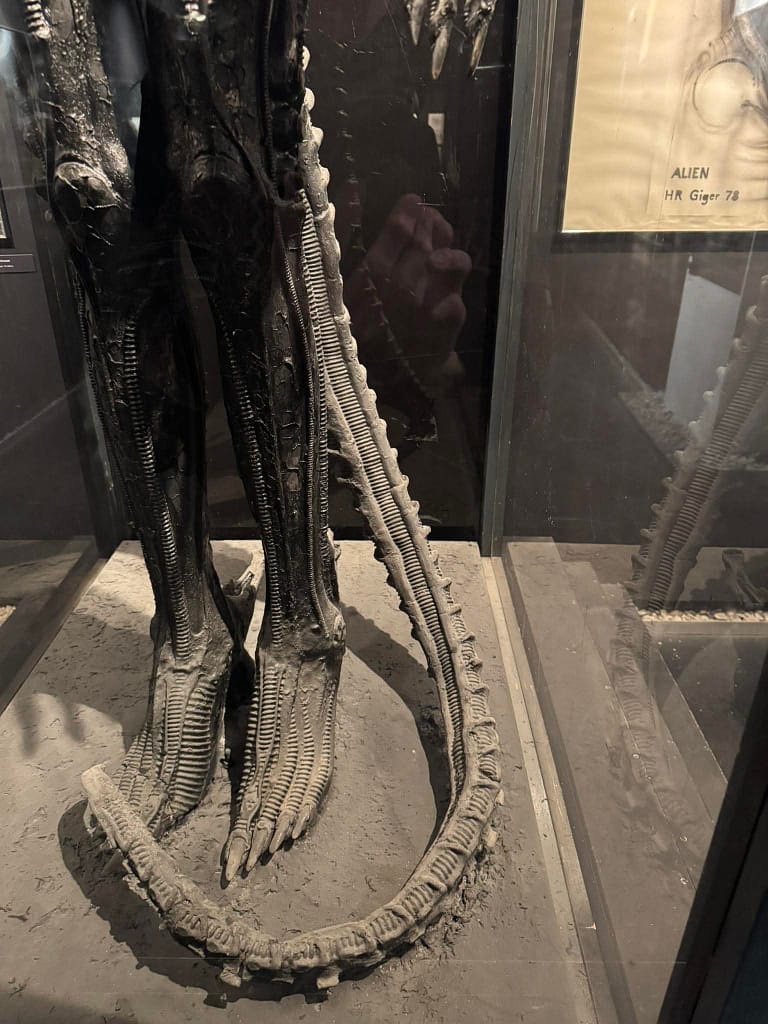
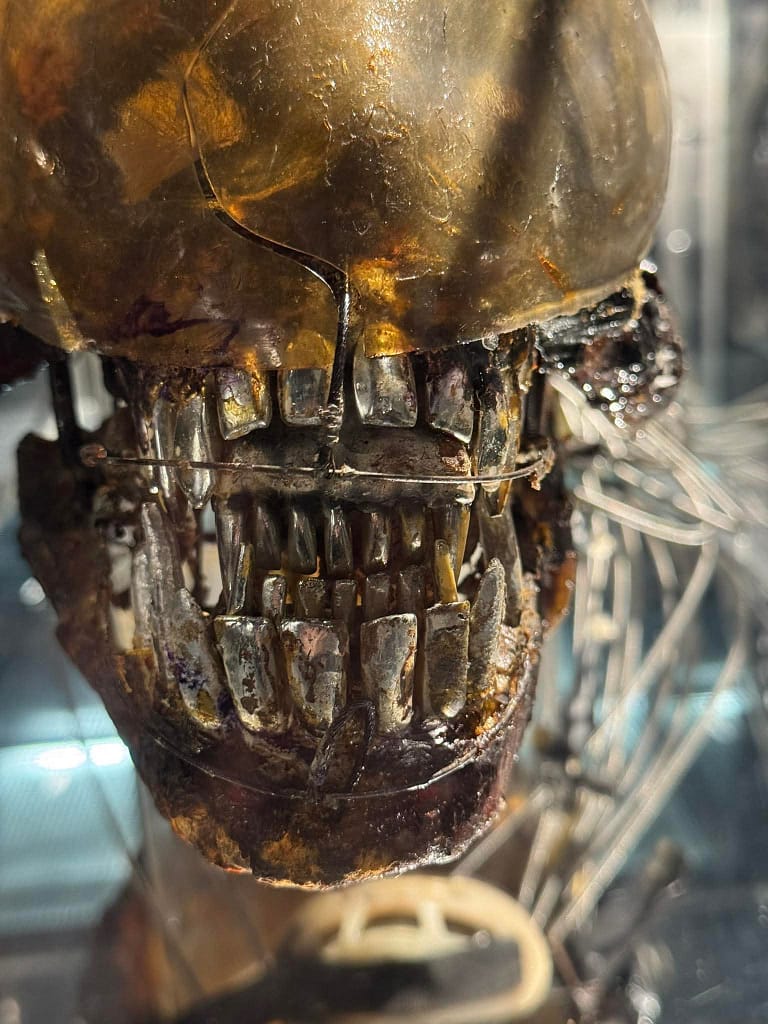
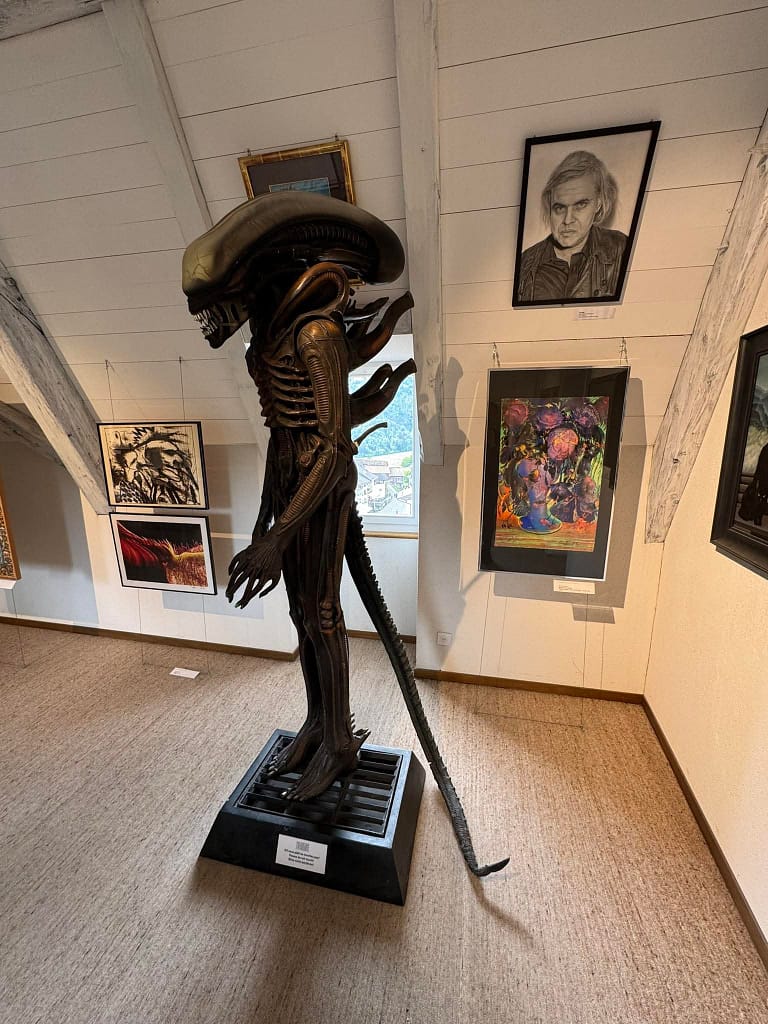
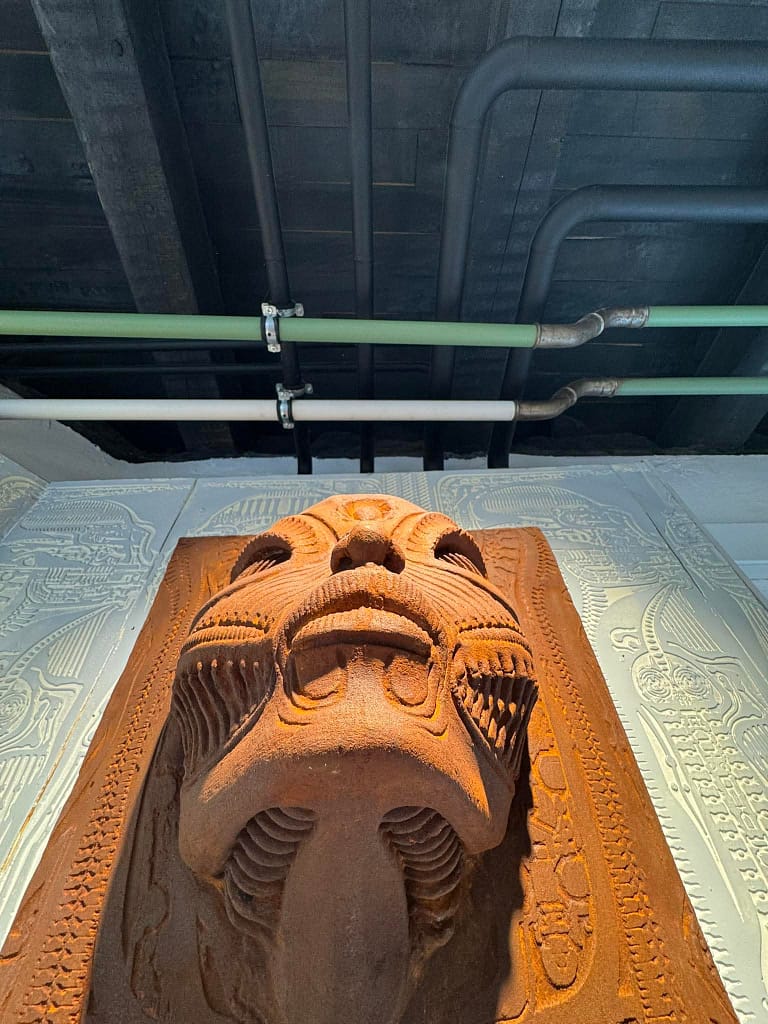
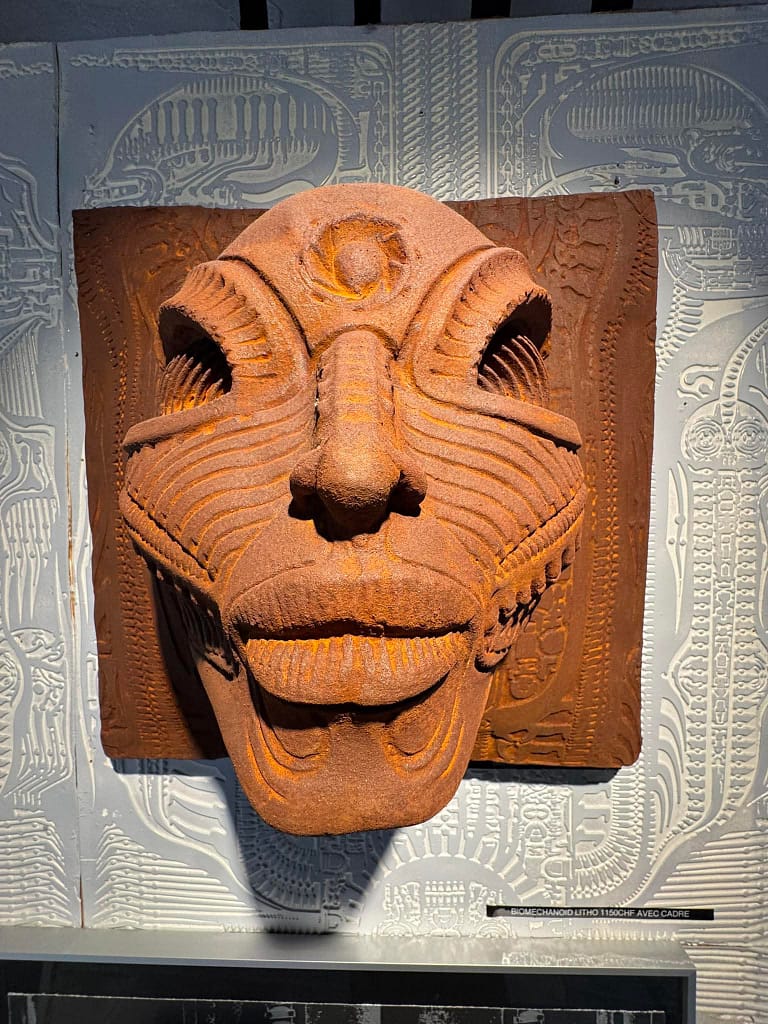
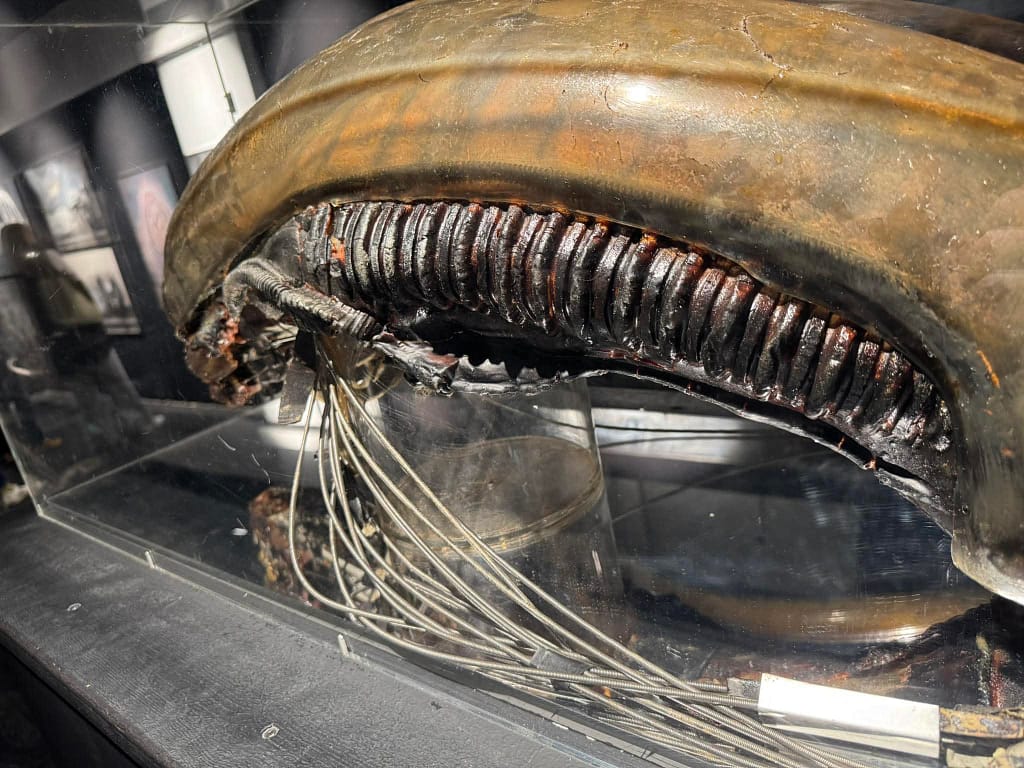
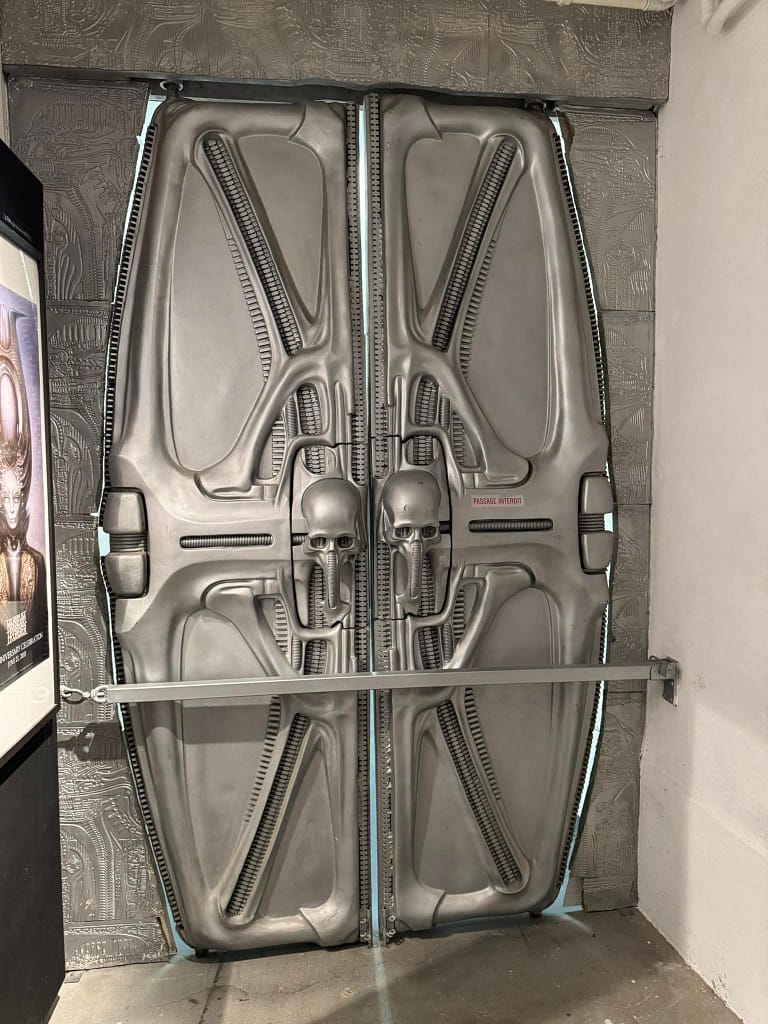
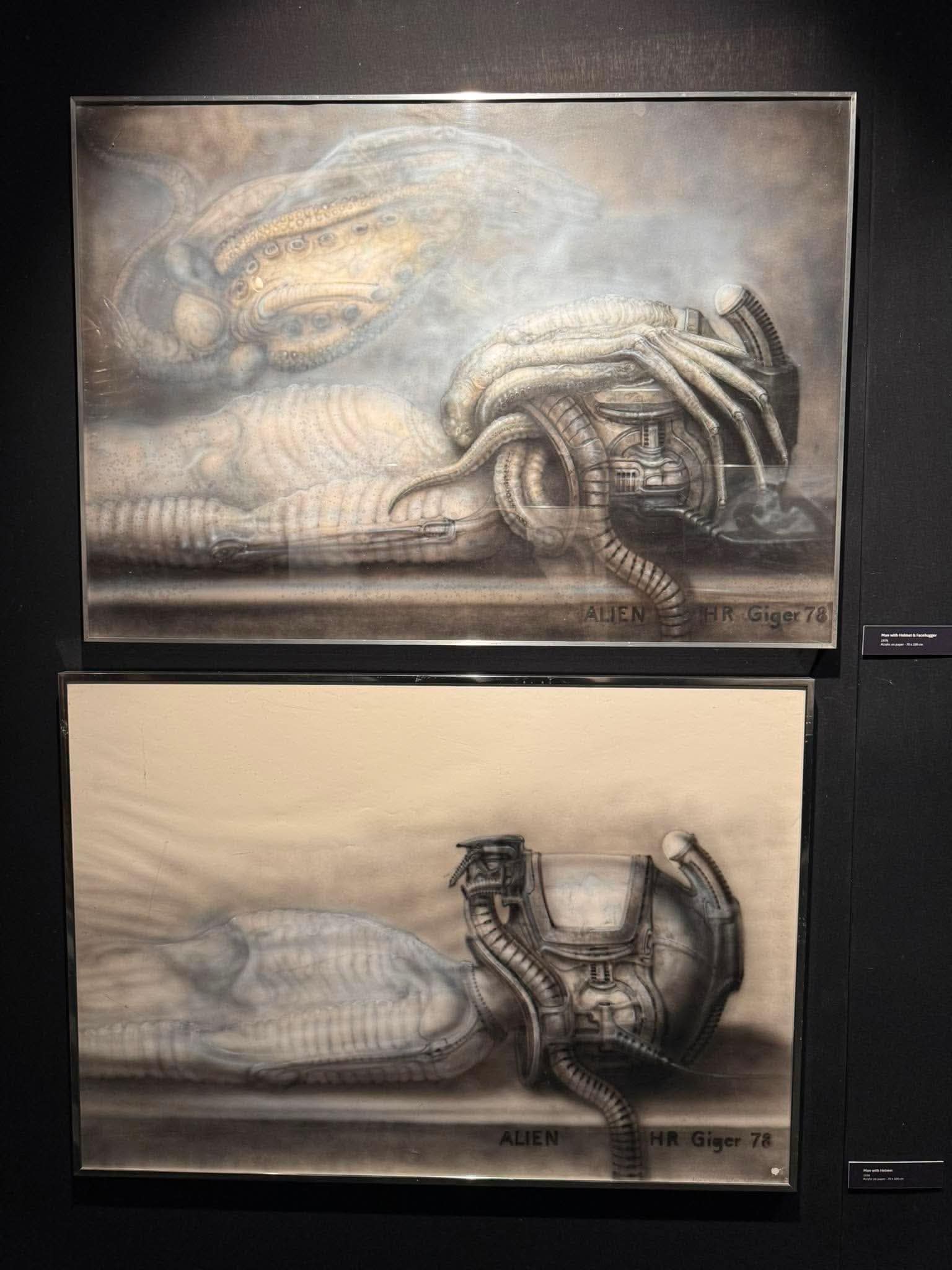
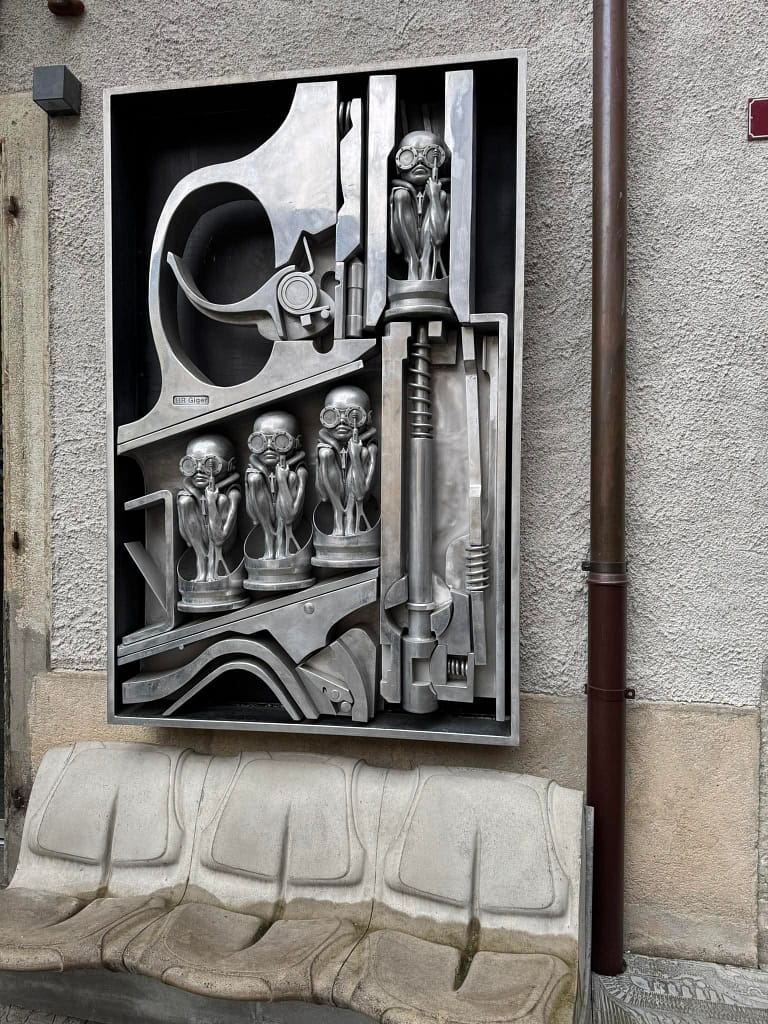
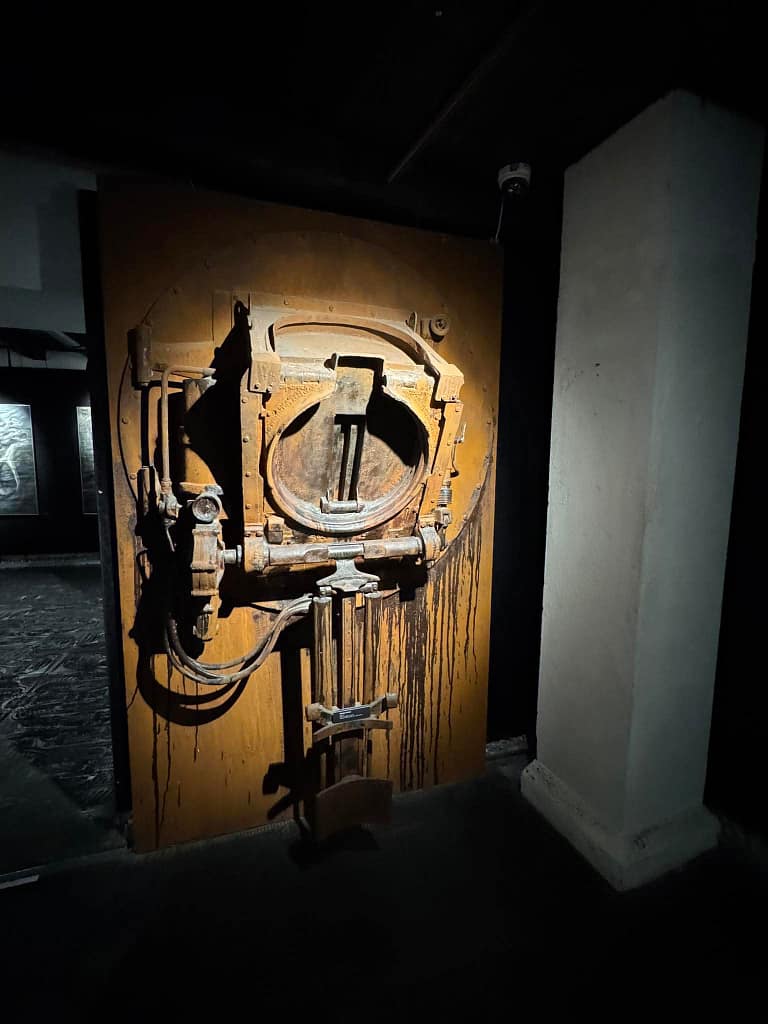
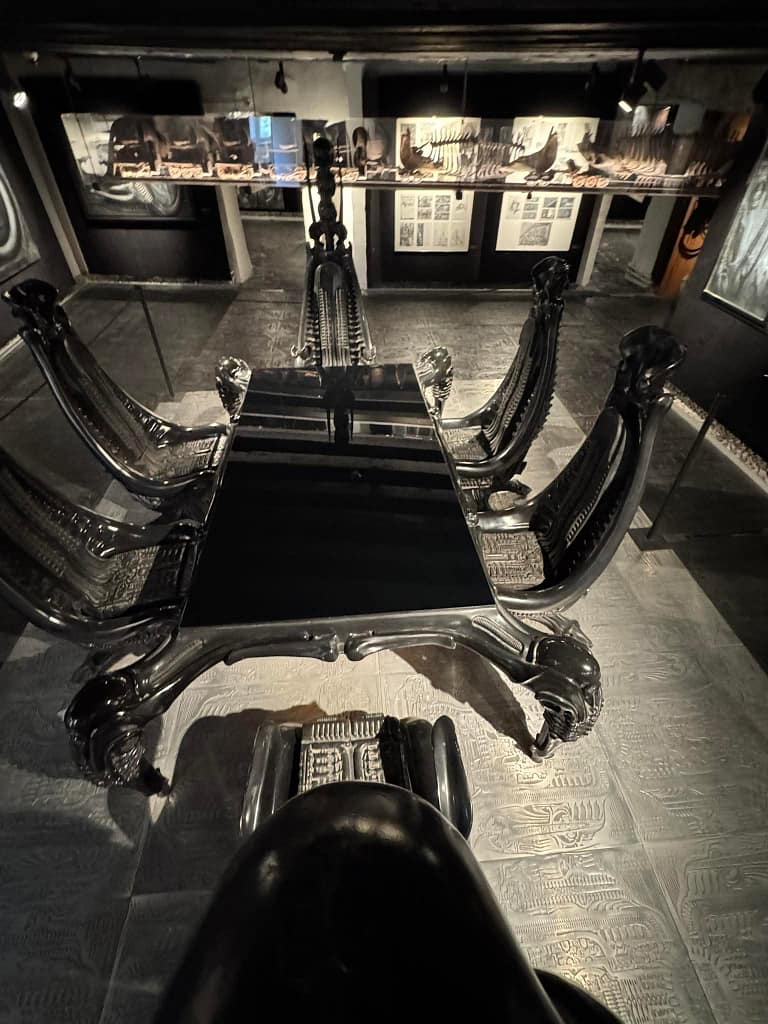

If you are writing a piece on modern art, sci-fi, or horror, let us know in the comments!
- Which particular piece of Giger’s art stands out to you the most?
Newsletter
If it bleeds, we can kill it. If it’s news, we’ll track it.
Become the ultimate tracker. Subscribe for gear drops and movie updates. Join the Hive. Start the Hunt. Subscribe for everything APFZONE.